
Expert Mold Remediation in Fort Worth TX
Mold starts growing within 24 hours after water damage
Mold Exposure: Health Risks You Can't Ignore
Why professional mold removal matters for your family's wellbeing
Health Risks of Mold Exposure
- Allergic reactions — just 3–5 spores can trigger symptoms
- Respiratory issues — wheezing, coughing, throat irritation
- Worsened asthma in people with existing conditions
- Mycotoxins — produced by certain molds, potentially carcinogenic with long-term exposure
- Neurological symptoms — headaches, dizziness, cognitive issues (rare but documented)
- Most vulnerable: children, elderly, and immunocompromised individuals
How Professional Remediation Protects You
- Eliminates the source — not just visible mold, but hidden growth in walls and crawl spaces
- HEPA air scrubbing removes airborne spores during the remediation process
- Post-remediation testing confirms your air quality meets safe standards
- Addresses moisture source to prevent mold from returning
- Peace of mind — your home is certified safe for your family
1 Billion
Mold spores per sq ft of infected drywall
3–5 Spores
Can trigger allergic reactions
24 Hours
Mold starts growing after water damage
We work with all insurance companies












Real Reviews from Customers Like You


Expert Mold Removal in Fort Worth, TX
- Certified Mold Removal Experts: Our technicians are fully certified and trained in advanced mold remediation techniques
- Certified Technicians: Our technicians are highly trained and certified to handle mold remediation here in Fort Worth, and we run the same process for mold removal in Dallas.
- Fast Emergency Response: Mold emergencies can’t wait. Our Fort Worth team responds quickly to minimize damage and health risks.
- Transparent Pricing: No hidden fees or surprises. You’ll know exactly what to expect with our upfront, honest pricing.
Reclaim a healthy, mold-free home with Fort Worth Mold Removal Services. Our experienced team uses advanced techniques to safely and effectively eliminate all traces of mold, restoring your indoor air quality. Trust the experts to protect your family’s wellbeing.


Our Services
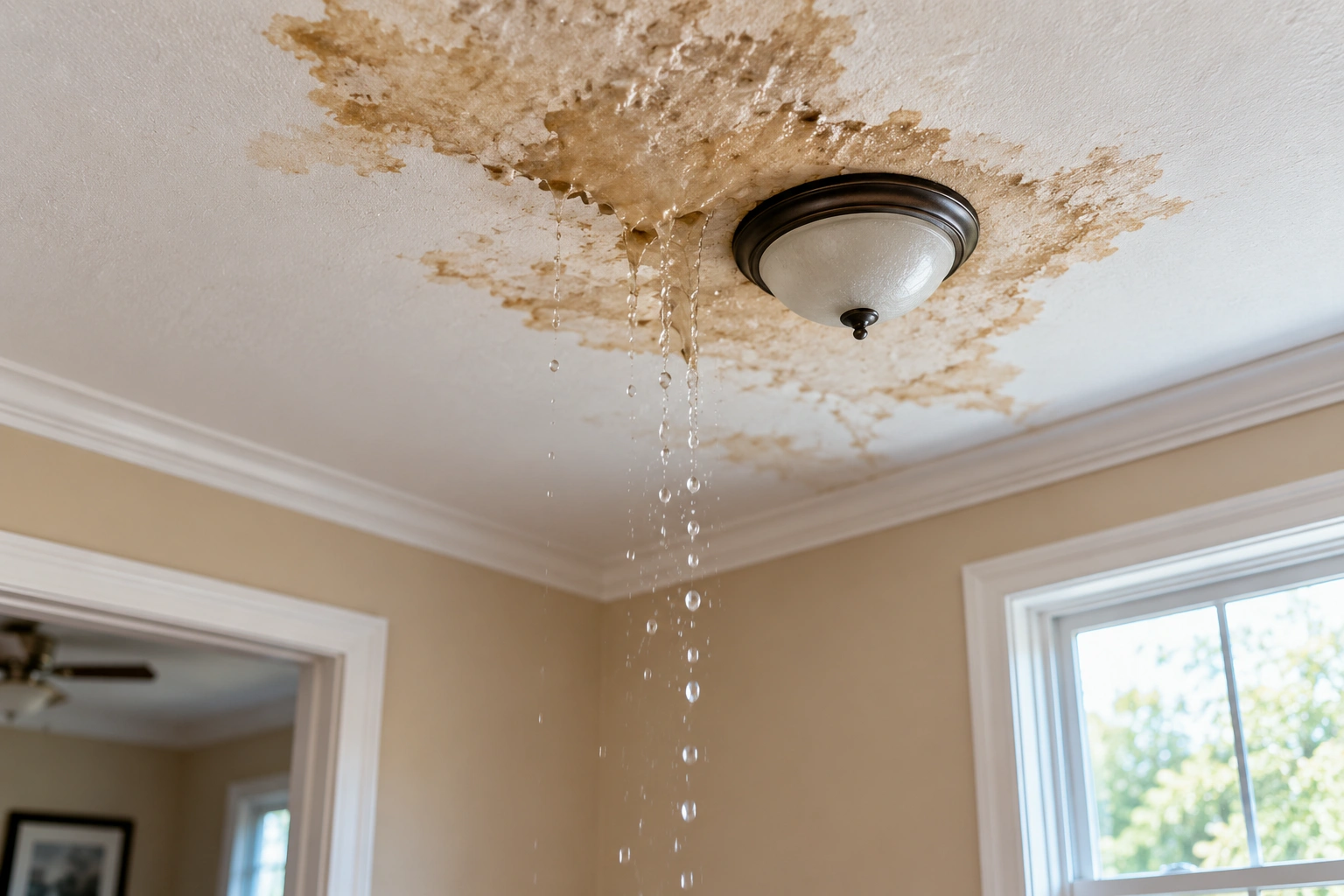
Water Damage Ceiling
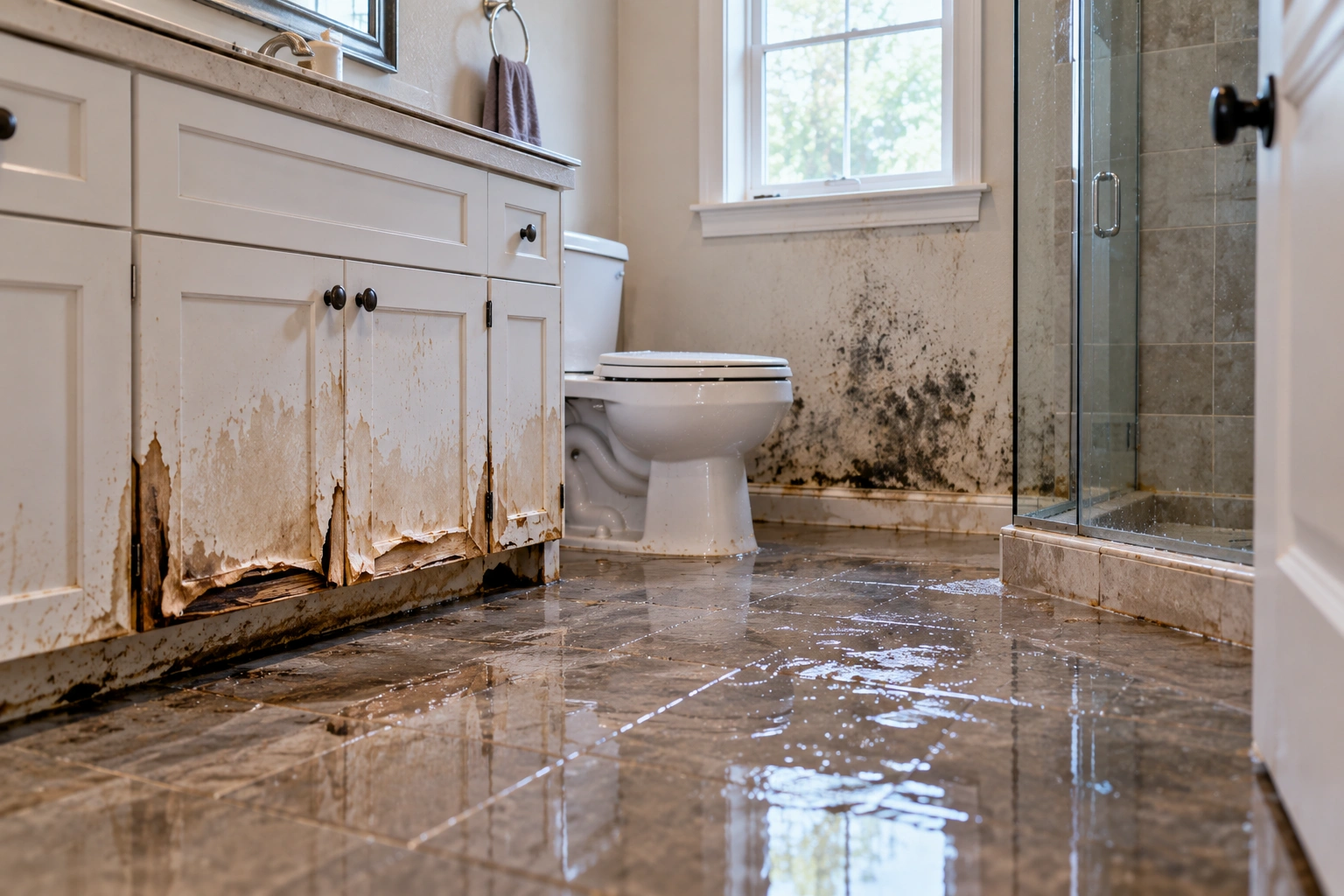
Bathroom Damage
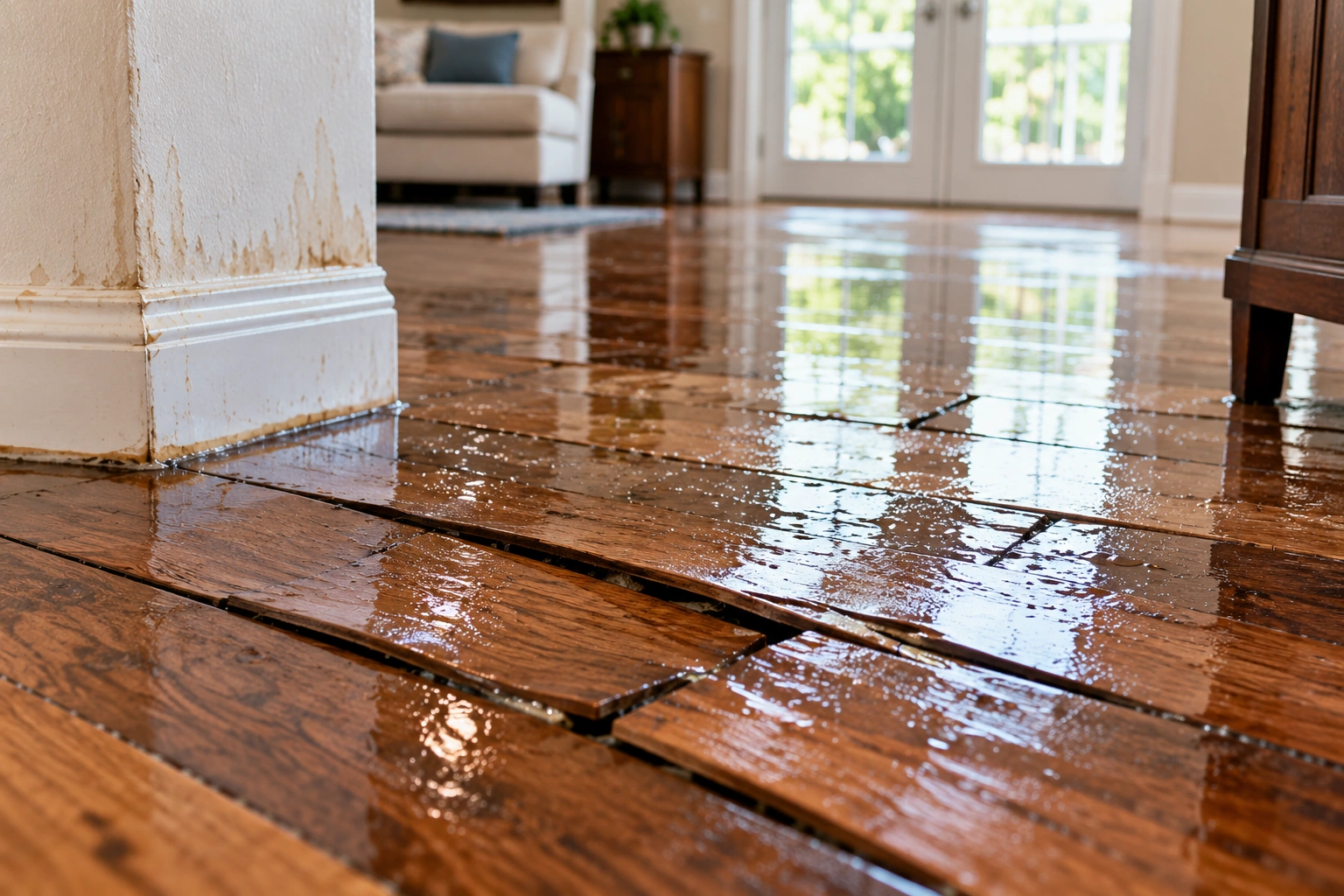
WATER DAMAGE REMEDIATION
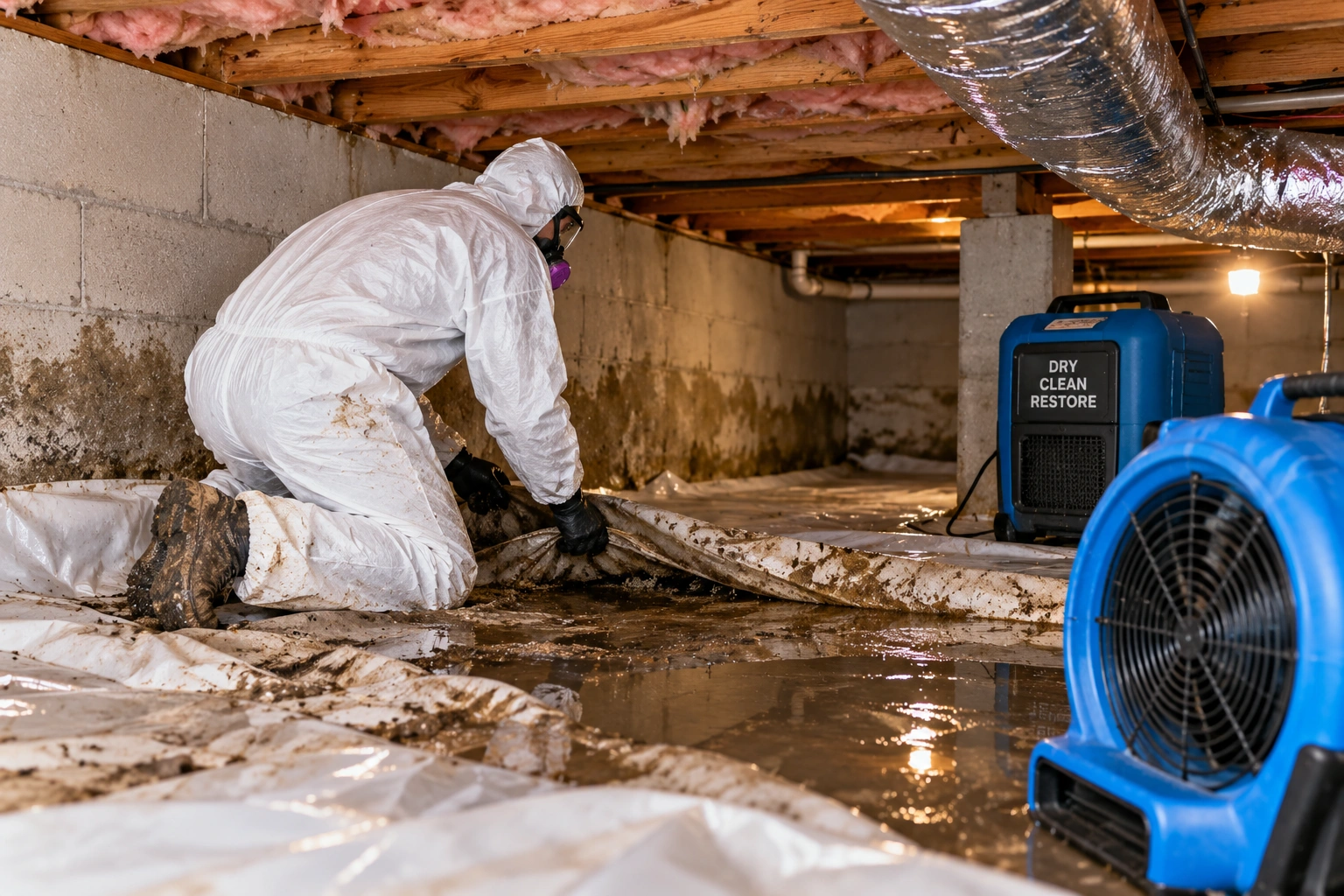
CRAWL SPACE REMEDIATION
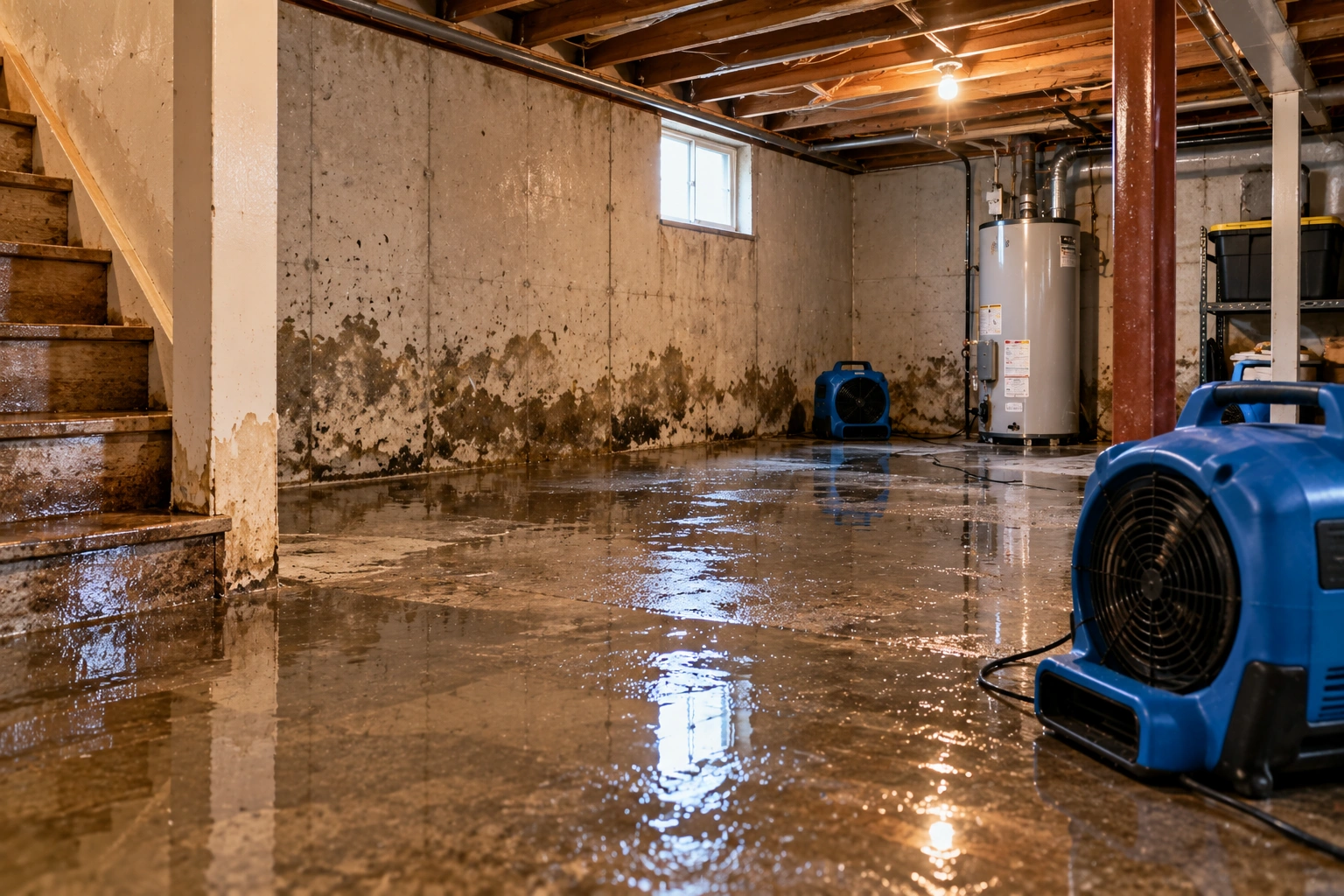
BASEMENT WATER DAMAGE

FLOODING CLEAN UP
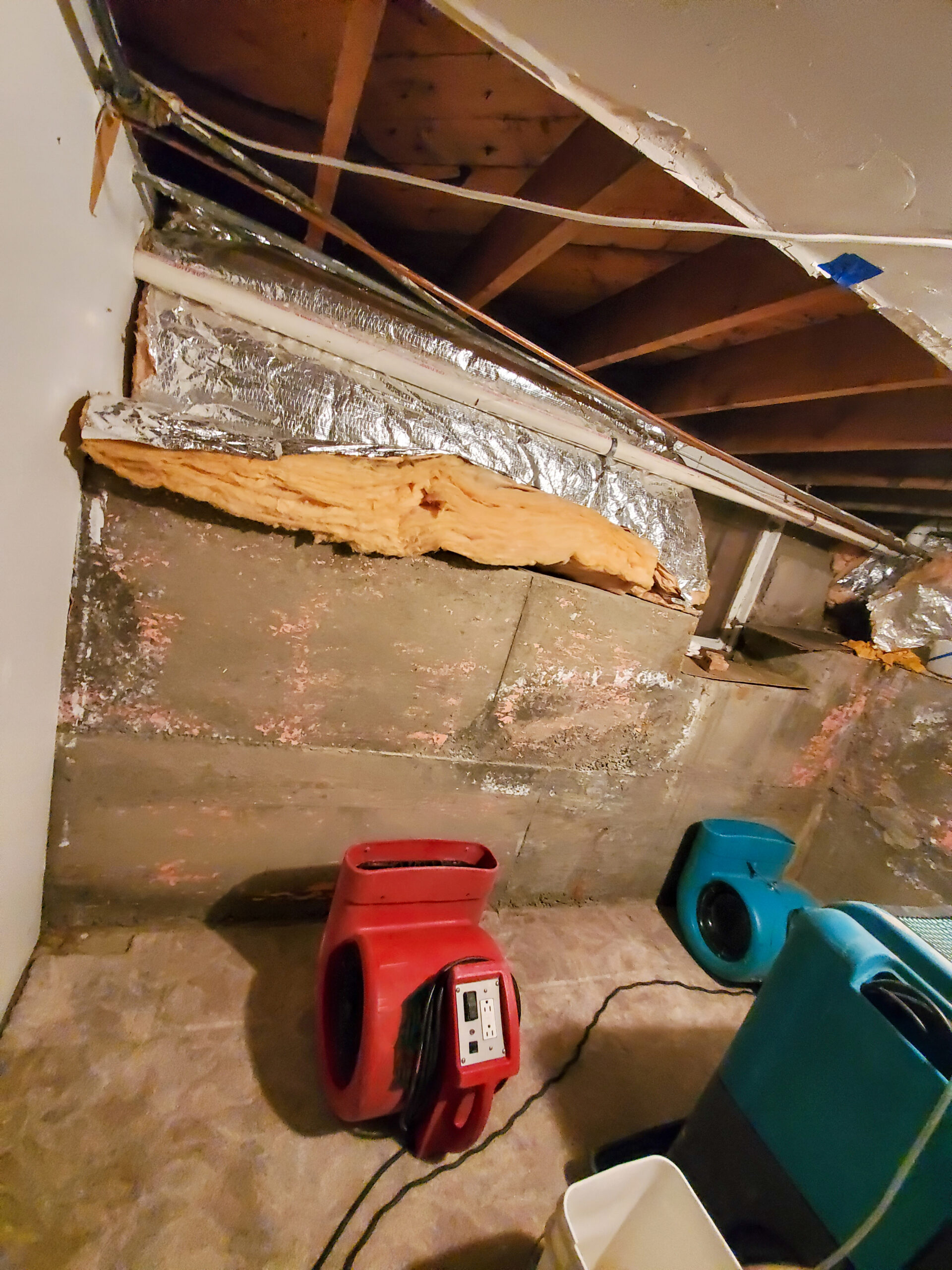
STRUCTURAL DRYING
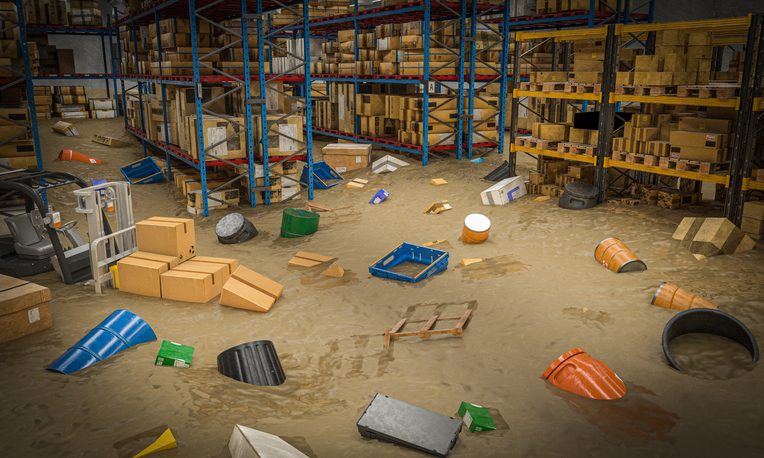
COMMERCIAL DRYOUT
How Mold Remediation Works in Fort Worth's Older Homes
Fairmount, Ryan Place, Arlington Heights, the Stockyards bungalows — Fort Worth's housing stock runs old, and that changes how the job has to be done. Here's our process, built around pier-and-beam construction and Texas law.
Free Inspection, Built for Older Construction
We check the usual spots plus what Fort Worth's older homes hide well: pier-and-beam crawl spaces, original wall cavities, attics where AC condensate collects. A 1920s bungalow doesn't hide moisture the same way a newer slab home does.
Free — No ObligationIndependent TDLR Assessment, Chapter 1958
Once a job hits 25 contiguous square feet, Texas law requires a separate licensed assessor from the remediation company. In an older home where hidden moisture is common, that separation keeps a real problem from getting oversold. You get the written work plan before anything starts.
Texas Law CompliantContainment for Less Airtight Homes
Older Fort Worth construction isn't as sealed as newer builds, which makes containment more important, not less. Physical barriers and negative air pressure keep spores from spreading through the house while we work.
IICRC S520 ProtocolRemoval & the Fort Worth-Specific Fix
Materials removed per the work plan, surfaces treated with professional-grade biocide. Then we go after the actual cause — often an overflowing AC condensate line feeding attic mold, or a pier-and-beam crawl space that never dries out after heavy rain. Skip this step and the mold's back in weeks.
Moisture Source FixedClearance Test & Your Certificate
An independent assessor runs a post-remediation air quality test. Pass, and you receive your Certificate of Mold Damage Remediation within 10 days — documentation that matters if you're keeping the home or selling it, since Texas requires disclosure of remediation certificates from the past five years. Your insurer may also ask for it after a paid water or mold claim, and it helps when you shop for a new policy down the road.
Written Clearance ReportFort Worth Mold Remediation Cost Guide
What mold remediation typically costs across Fort Worth and Tarrant County, and what pushes a job up or down
Fort Worth Average Project
$2,100
Typical range: $1,200 – $3,200
Price Per Square Foot
$10–$25
Based on area size, location & mold type
Mold Inspection Cost
$272–$422
Required by Texas law before remediation begins
Cost by Location in Your Home
Bathroom / Kitchen
$500–$1,333
Surface mold around fixtures, grout, and under sinks. Fort Worth's humidity makes bathrooms a top call-out area — most common first-call scenario.
Walls / Drywall
$1,000–$20,000
Drywall almost always requires full removal when mold is found behind it. Common in older Fort Worth homes after pipe failures and freeze events.
Attic
$1,000–$10,000
Fort Worth average is ~$4,600. AC condensate drain overflows are the leading attic mold cause in Tarrant County — units run nearly year-round in the Texas heat.
Crawl Space
$1,000–$8,000
Pier-and-beam homes in Fairmount, Arlington Heights, and Near Southside are especially prone to crawl space mold after heavy rain. Vapor barrier repairs typically add to cost.
HVAC / Air Ducts
$1,900–$10,000
Most urgent scenario — a contaminated HVAC distributes spores to every room. Fort Worth's long AC season makes duct mold more common than in cooler climates.
Whole House
$10,000–$30,000
Typically follows Winter Storm Uri-style freeze events or long-term undetected leaks across Tarrant County. Multiple containment zones and extensive material removal required.
What Affects Your Final Price in Fort Worth
- Size of affected area — most jobs priced at $10–$25 per sq ft
- Mold type — black mold (Stachybotrys) adds 15–25% due to higher PPE and lab testing
- Pier-and-beam vs. slab — older Fort Worth homes have higher crawl space remediation costs
- AC condensate issues — a leading Fort Worth-specific cause that often involves attic and duct work together
- Emergency timing — after-hours and weekend calls carry premium pricing
- Post-remediation testing — required by Texas law, typically adds $272–$422
- What's behind the drywall — once walls or cabinets come out, the mold often runs further than anything you could see from the room. That's the most common reason a scope grows.
- A leak that never got fixed — if the plumber's repair didn't hold, moisture keeps feeding the growth. We confirm the source is stopped before removal starts.
Does Insurance Cover It?
- Usually covered: mold caused by a sudden covered peril like a burst pipe or appliance failure
- Usually not covered: mold from long-term neglect, gradual leaks, or flooding without flood insurance
- Winter Storm Uri claims: freeze-related mold is generally covered under Texas HO-A policies if reported correctly
- Texas law requires your mold inspector and remediator to be separate TDLR-licensed companies — we coordinate both
- Not covered? We offer flexible payment options to fit your situation
What Mold Remediation Actually Means
Most people think remediation is the cleanup. It’s not. It’s the whole chain. A mold test finds the problem, a written protocol spells out how to contain and remove it, a licensed remediation contractor does the removal, and then a post-clearance test shows there’s no sign of mold left.
Here’s where people get it wrong. They skip straight to hiring a remediation contractor because it seems faster. But who checks the work? Nobody wrote a protocol, so there’s nothing to hold the contractor to. Nobody runs a clearance test, so you’re taking their word that it’s done.
That’s why Texas splits the two licenses. The assessor can’t remediate jobs they inspect, so they’ve got no reason to pass bad work. If the clearance test fails, the contractor is on the hook. They go back in and re-remediate until it passes. Not you, six months from now, when the musty smell comes back.
It starts on the first phone call. We ask a few questions, and one of them is whether you have a copy of your policy. Once we’re on site and see how far the damage goes, we’ll know if it’s something you’d rather pay out of pocket or if it’s worth bringing your insurance in.
If it is, we read the policy and work directly with your adjuster. They get the whole picture: emergency mitigation, the remediation scope, post-demo and post-cleaning estimates, and what it’ll take to get the house back to pre-loss condition. Drywall, paint, flooring, cabinets, fixtures. We do the remediation and the reconstruction, so you’re not hunting for a second contractor halfway through.
Why One Company Can't Inspect and Remediate the Same Mold Job
A Texas law that matters more in Fort Worth's older homes than most owners realize
Fort Worth's housing stock runs old. Fairmount, Ryan Place, Arlington Heights, the bungalows near the Stockyards — a lot of these homes date back to the 1920s and earlier. Original pier-and-beam foundations, decades-old plumbing, materials that hold moisture in ways newer builds don't. Which means mold problems here tend to run bigger and deeper than a quick look suggests.
And that's exactly where a Texas law comes into play. Under Texas Occupations Code Chapter 1958, once a mold project hits 25 contiguous square feet or more, the company that inspects and the company that remediates have to be two separate, independently licensed businesses. Been that way since 2003.
Why? Conflict of interest. Same company finds the problem and gets paid to fix it, there's an obvious reason to find more than's actually there. In an older Fort Worth home where hidden moisture is common, that protection matters — it keeps a genuine problem from getting oversold.
We'll tell you which side of that 25-foot line you're on upfront. Not after you've already paid for one company's version of "there's a problem here."
Mold Assessment Consultant
Licensed to inspect, test, and write the remediation protocol. Maps what's actually wet — critical in older homes where moisture hides behind original walls and under pier-and-beam. Independent of whoever does the cleanup.
Mold Remediation Contractor
Licensed to do the physical removal, following the assessor's protocol. A separate independent assessor confirms the work with a clearance test at the end.
What This Protects
Two independent licenses means the company recommending the work isn't the same one profiting from inflating it. Your clearance report comes from a third party — real proof the job was done right, which matters most on an older home you're planning to keep or sell.
Why DIY Mold Removal Makes Problems Worse
What homeowners don't know before they try to fix it themselves
🔴 Spore Spread & Cross-Contamination
Disturbing mold releases spores that travel through HVAC systems to other rooms.
🔴 Bleach & Clorox Don't Work
Bleach takes the stain off the surface. The growth underneath stays, and the fumes are rough on everyone in the house.
🔴 Hidden Mold Behind Walls
Visible mold is just the tip. Hidden growth in walls and crawl spaces keeps spreading.
🔴 Health Risk to Your Family
DIY work without protection exposes your family to dangerous spore counts.
🔴 The Moisture Source Remains
Without fixing the leak or humidity, mold returns in weeks. Pros eliminate both.
1 Billion
Spores per sq ft of infected drywall
3–5 Spores
Trigger allergic reactions
48 Hours
All mold needs to spread after disturbance
The Bottom Line
DIY costs $0 now but can become a $5K–$20K+ repair. Pro remediation catches it early and prevents returns.
Why Fort Worth Homeowners Work With Us
Free Estimate
We walk the property, take moisture readings and photos, and give you a written scope and price before any work starts. No pressure and no surprise invoice.
Work Done to Protocol
Every mold job follows a written protocol from an independent licensed assessor. Containment, HEPA air filtration, and clearance testing are part of the job, not add-ons.
Insurance Handled
We bill your carrier directly and deal with the adjuster, the documentation, and any supplements, so you are not stuck chasing paperwork.
Owner on Site
Licensed and insured. Owner KJ Raja is on every Fort Worth job from the first walkthrough to final clearance, with no call-center handoff.

KJ Raja
Owner & Licensed Mold Assessment Consultant — MAC #2273
Since 2024, hundreds of DFW homes and businesses restored — every job personally overseen, not handed off to a rotating crew.
Texas Occupations Code, Chapter 1958
Texas law requires an independent mold assessment before remediation on any job 25 sq ft or larger — the same company legally can't do both. We hold a licensed Mold Assessment Consultant credential and structure every qualifying job to meet this requirement, so your remediation is never marked "necessary" by the same people getting paid to do it.
Quick Response & Insurance Assistance
First thing when we get there, we introduce ourselves and ask you to walk us through it. Where’s the water coming from? What happened? What have you done so far? Then we piece together where the water went and what it touched.
That part matters more than people think, because water doesn’t stay where you can see it. Our moisture meters read about three-quarters of an inch into drywall and tell us if it got under the carpet. The thermal camera picks up cold spots, and a cold spot on a wall is usually moisture worth chasing. If the leak’s hiding in a slab or a wall and we can’t pin down the source, we bring in a leak detection company. Everything wet gets documented for your claim before anything comes out.
Drying & Monitoring
Dry means the moisture meter says it’s dry. Not when it looks dry, and not when the fans have been running for three days. We check readings against unaffected material in the same house, and the equipment stays until the numbers match.
On a clean water loss we’ll usually dry in place instead of tearing everything out. It costs you less, and there’s less to rebuild. Cheaper outfits tend to demo whatever looks wet, and you end up paying to replace drywall and flooring that could’ve been saved.
Restoration Process
Once clearance passes, the containment comes down and the rebuild starts. We do that part ourselves. Drywall, baseboards, paint, flooring, cabinets, so there’s no handoff to a crew you’ve never met.
What we won’t do is promise every vanity or cabinet comes out and goes back in. Some don’t survive removal. Some turn out to be moldy on the back side once they’re off the wall. Those get written up as replacements and documented for your claim.
Fort Worth Mold Remediation — Frequently Asked Questions
Honest answers to the questions Fort Worth homeowners ask us most
The Fort Worth average is $2,100, with most projects falling between $1,200 and $3,200 based on completed Tarrant County jobs. Pricing is typically $10–$25 per square foot. Attics average around $4,600 due to the size of treatment surfaces, and HVAC systems run $1,900–$10,000. Fort Worth's pier-and-beam homes in older neighborhoods like Fairmount and Arlington Heights tend to have higher crawl space remediation costs than slab-foundation homes. The only way to get an accurate number is a free on-site assessment — we provide these with no obligation.
It depends on the cause. Texas HO-A policies generally cover mold when it results from a sudden, accidental covered event — such as a burst pipe, appliance failure, or storm water intrusion that was reported and addressed promptly. Mold from gradual leaks, long-term humidity, or deferred maintenance is typically excluded. Winter Storm Uri claims are a common Fort Worth scenario — freeze-related pipe bursts that caused mold are generally covered if reported correctly. Coverage limits in Texas often range from $10,000–$50,000 even when covered. We work directly with all major carriers and handle your documentation. If you're not covered, we offer flexible payment options.
No to both. Bleach is a stain remover. It can make mold look gone while the growth is still there, and the fumes are rough on everyone in the house. IICRC S520 calls for physically removing mold, not treating it in place. Once the mold's out and the area tests clean and dry, a hydrogen-peroxide stain remover is fine for what's left. Paint is worse. Covering active mold just hides it, and if the moisture source isn't fixed, it keeps growing behind the paint until it shows up again bigger.
Yes. Texas law requires all mold remediators to be licensed by the Texas Department of Licensing and Regulation (TDLR) — and we are. Texas law also requires the mold assessment company and the remediation company to be two separate entities on the same project, preventing conflicts of interest. We work alongside independent TDLR-licensed mold assessment consultants who inspect, test, and issue your clearance report. You can verify any contractor's current license at tdlr.texas.gov/LicenseSearch. Never hire an unlicensed mold contractor in Texas — violations carry fines up to $5,000 per incident.
Most Fort Worth residential mold remediation projects take 1 to 5 days, with the average completing in about 3 days. Pier-and-beam crawl spaces — common in older Tarrant County neighborhoods — can add time due to access difficulty. Large-scale jobs following flooding or Winter Storm Uri-type freeze events can extend to several weeks. After completion, Texas law requires an independent assessor to conduct a post-remediation clearance inspection and issue a Certificate of Mold Damage Remediation within 10 days — your documented proof the job was done correctly.
Fort Worth's long, hot summers mean AC units run almost continuously — producing up to 20 gallons of condensate per day. When condensate drain lines clog or overflow, water collects in attic drain pans and saturates insulation and decking. Combined with poor attic ventilation — common in older Tarrant County homes — this creates ideal mold conditions that often go unnoticed for months. It's one of the most common mold calls we receive across Fort Worth. Annual AC maintenance and condensate drain inspections are the best prevention, but once mold is established in an attic, professional remediation is required.
On anything 25 contiguous square feet or larger, yes. A licensed remediation contractor has to work from a protocol written by a licensed assessor. And even on smaller jobs it's worth it. The inspection tells the contractor exactly what to remove, and it gives you something to hold them to when the work's done.
Two things. First, the post-clearance test. An independent assessor checks that there's no visible mold and the samples come back clean. If it fails, the contractor goes back in at their cost. Second, the moisture source has to be fixed. Pass clearance with a leak still running and you'll be calling again in a few months.
You can on a small job. But then nobody's holding them accountable. Without a pre-remediation protocol, there's no written standard for what "done" looks like. Without a clearance test, there's no proof it was done right. On jobs 25 contiguous square feet or larger, the independent assessment isn't optional.
It's the test after remediation that tells you whether the mold is actually gone. Without it, you paid for the work and you're trusting it got done. Passing also gets you a Certificate of Mold Damage Remediation. You'll want that if you sell the house, if you shop for a new homeowners policy, or if your insurer paid out on a water or mold claim.
If it's under 25 contiguous square feet, usually yes. Texas doesn't require a license for jobs that size. Fix the moisture first, contain the area, and bag everything out. Bigger than that, call a pro. Containing that much area without negative air and HEPA filtration is how spores end up in every room. And you'll still want an independent clearance test if insurance or a future buyer is ever going to ask.
Usually it's what was behind the wall. Once drywall or cabinets come out, we can finally see the framing and subfloor, and sometimes the damage goes further than anything visible from the room. The other common one is a leak that was never really fixed. A plumber came out, the homeowner figured it was handled, and water kept feeding the area. Either way, you'll see the moisture readings and photos before the scope changes.
We file a supplement with your adjuster. It happens all the time. As long as the extra work is backed by moisture readings, visible mold, or clear signs of water damage, adjusters will typically approve it. That's why we meter and photograph everything as it gets opened up.
It can start within 24 to 48 hours. The first sign is usually a musty smell. After that you'll start seeing visible growth, often on drywall, baseboards, or the cabinet floor under a sink. If you can smell it but can't see it, it's probably behind a wall or under the flooring.