
Mold Removal Services in Arlington, TX
Summer humidity and bathroom leaks start mold in a day or two
Mold in Arlington Homes: What's Actually at Risk
Bathroom and drywall mold are more than a looks problem. They affect the air everyone in the house breathes.
Arlington's worst mold months run May through September. Summer humidity makes bathrooms the most common call in the city, and once growth reaches drywall, the drywall usually has to go.
How Mold Affects Arlington Households
- Allergies: sneezing, congestion, and itchy eyes are the most common reactions
- Breathing: coughing and wheezing, especially at night
- Asthma: more frequent flare-ups for people who already have it
- Mycotoxins: some molds produce them, which is why growth should not be disturbed without containment
- Highest risk: babies, seniors, and anyone with a weak immune system
Why Bathroom & Drywall Mold Needs a Pro
- Grout and fixture mold often signals moisture already inside the wall cavity, not just on the surface
- Drywall behind tile has to come out once mold is in it. Wiping the surface doesn't reach the growth.
- HEPA air scrubbing clears airborne spores stirred up during removal
- On jobs of 25 sq ft or more, an independent assessor tests the area before rebuild
HO-3, HO-6, and HOA Claims Supported












Arlington Mold Removal for Homes, Condos, and Rentals
- Shared walls in townhomes and condos: In Arlington’s townhomes, condos, and rentals near UTA, mold often starts in a neighbor’s leak and spreads through a shared wall or ceiling. Each unit gets its own moisture map and photo log.
- One unit at a time: Each condo or townhome gets its own containment and negative air, so the neighbor on the other side of the wall is not affected.
- Both sides of the wall: When a neighbor leak caused it, drywall is opened on both sides as needed and every piece with growth is bagged out.
- Assessor on bigger jobs: At 25 contiguous square feet, Texas requires a separately licensed assessor to write the protocol and confirm clearance.
Same process, same rules as our mold remediation in Fort Worth, just closer to your door.
Arlington has more shared walls than most DFW cities. A slow leak upstairs or next door can feed mold inside your wall long before you see it. We find the source, contain the affected unit, take out what’s growing, and document it so your policy and the HOA master policy each get what they need.


Mold Removal Solutions In Arlington

MOLD INSPECTION AND TESTING

EFFECTIVE MOLD REMOVAL
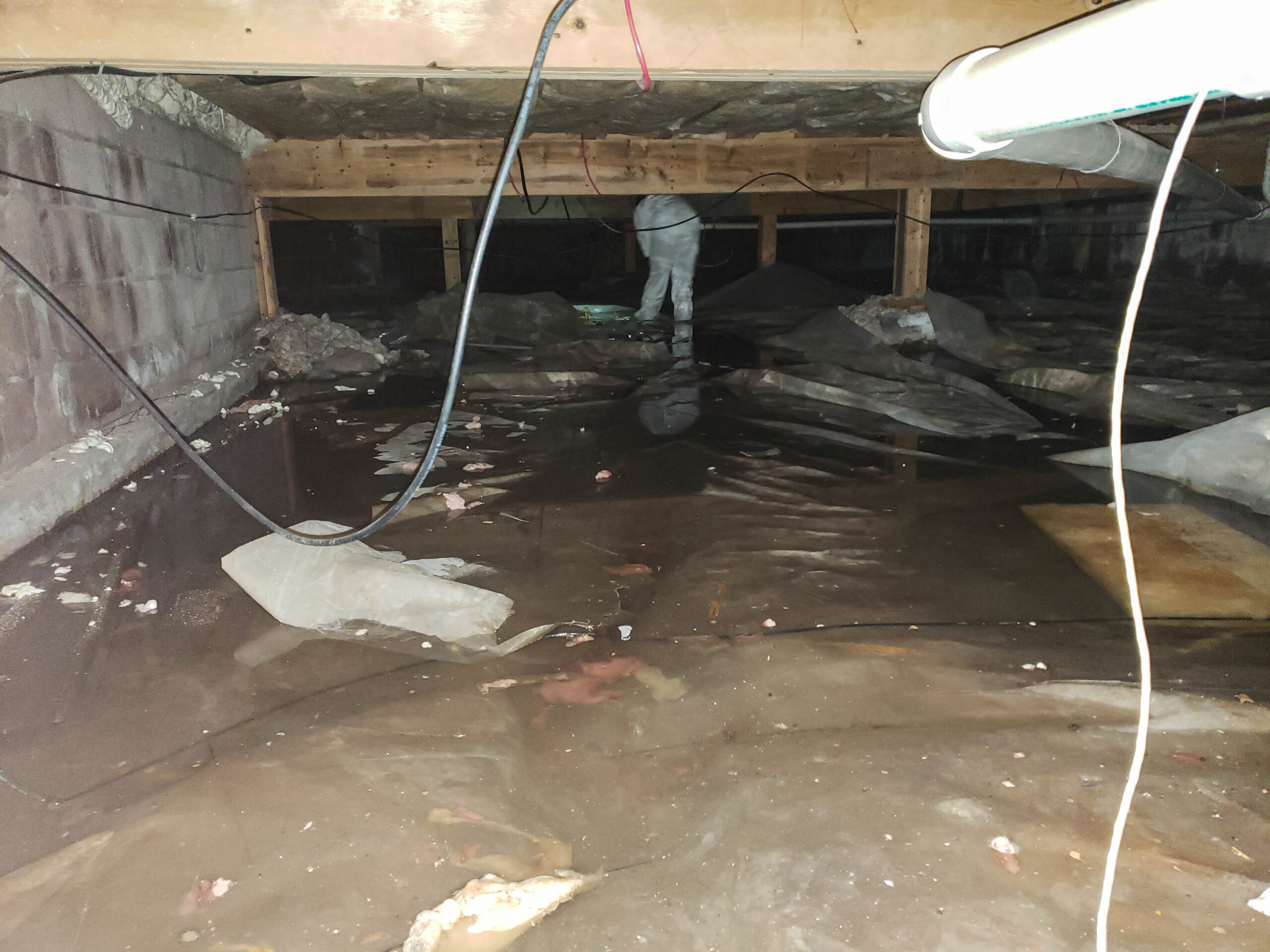
BLACK MOLD
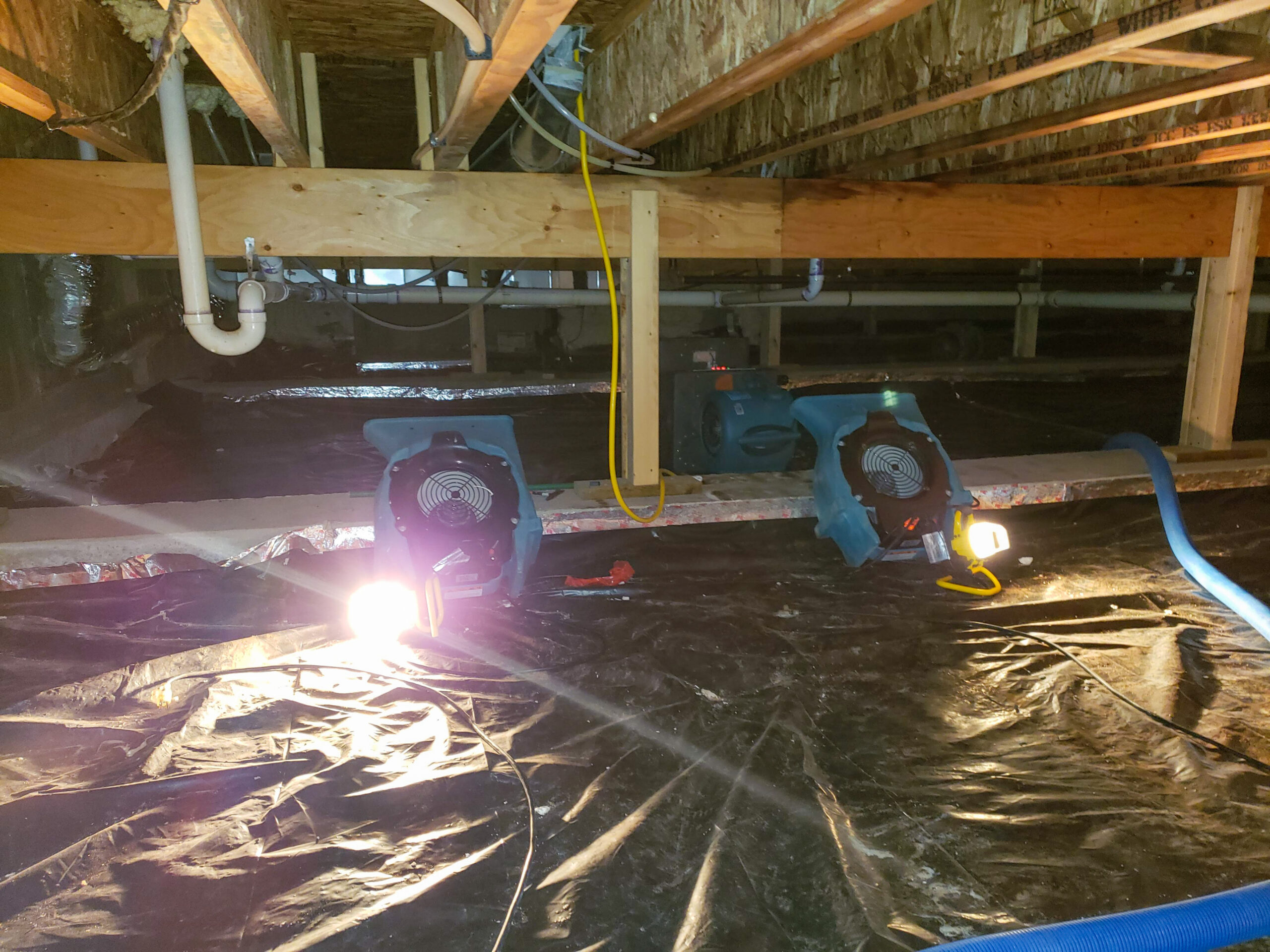
CRAWL SPACE REMEDIATION
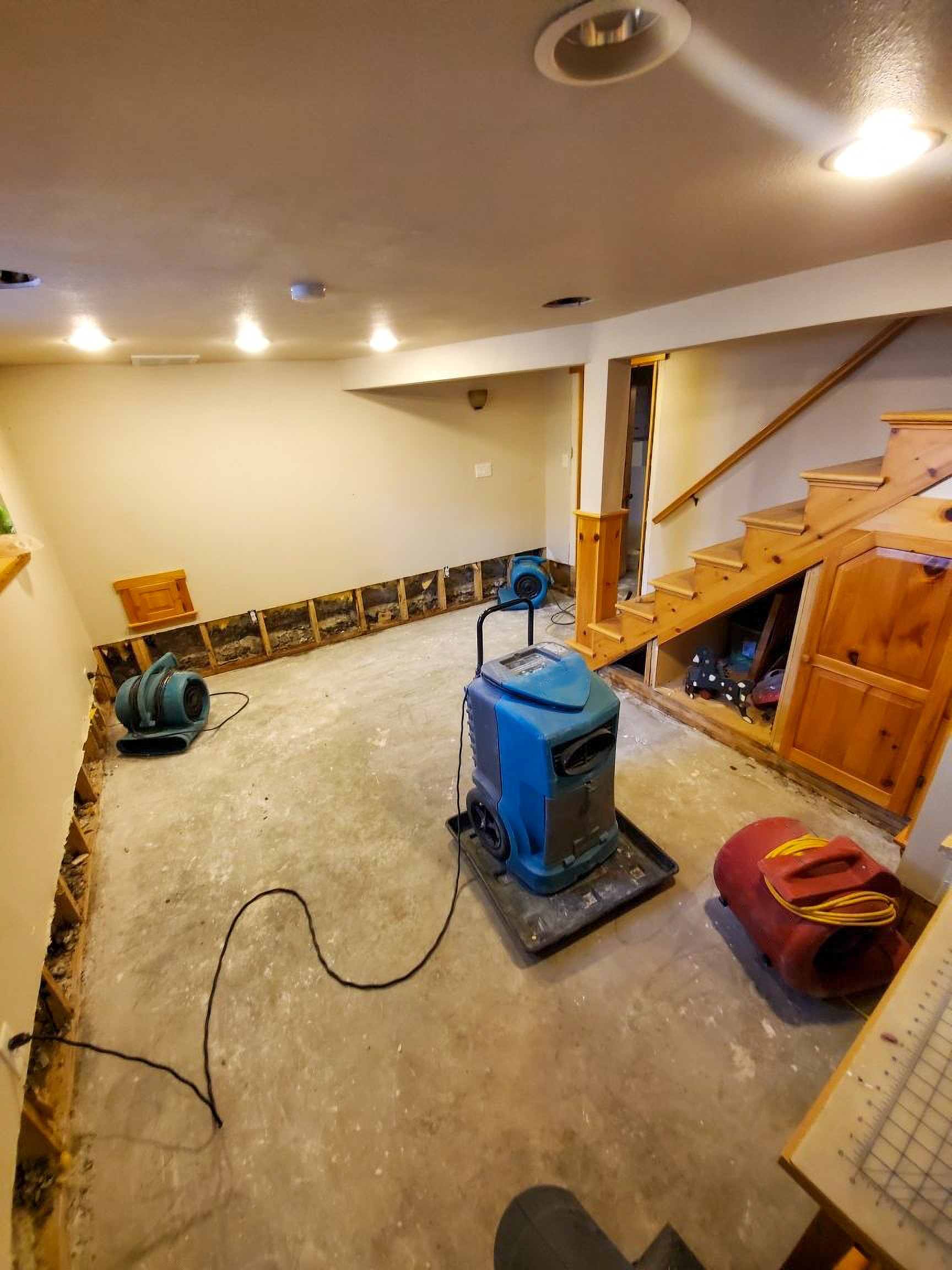
AIR QUALITY TESTING

WATER DAMAGE RESTORATION
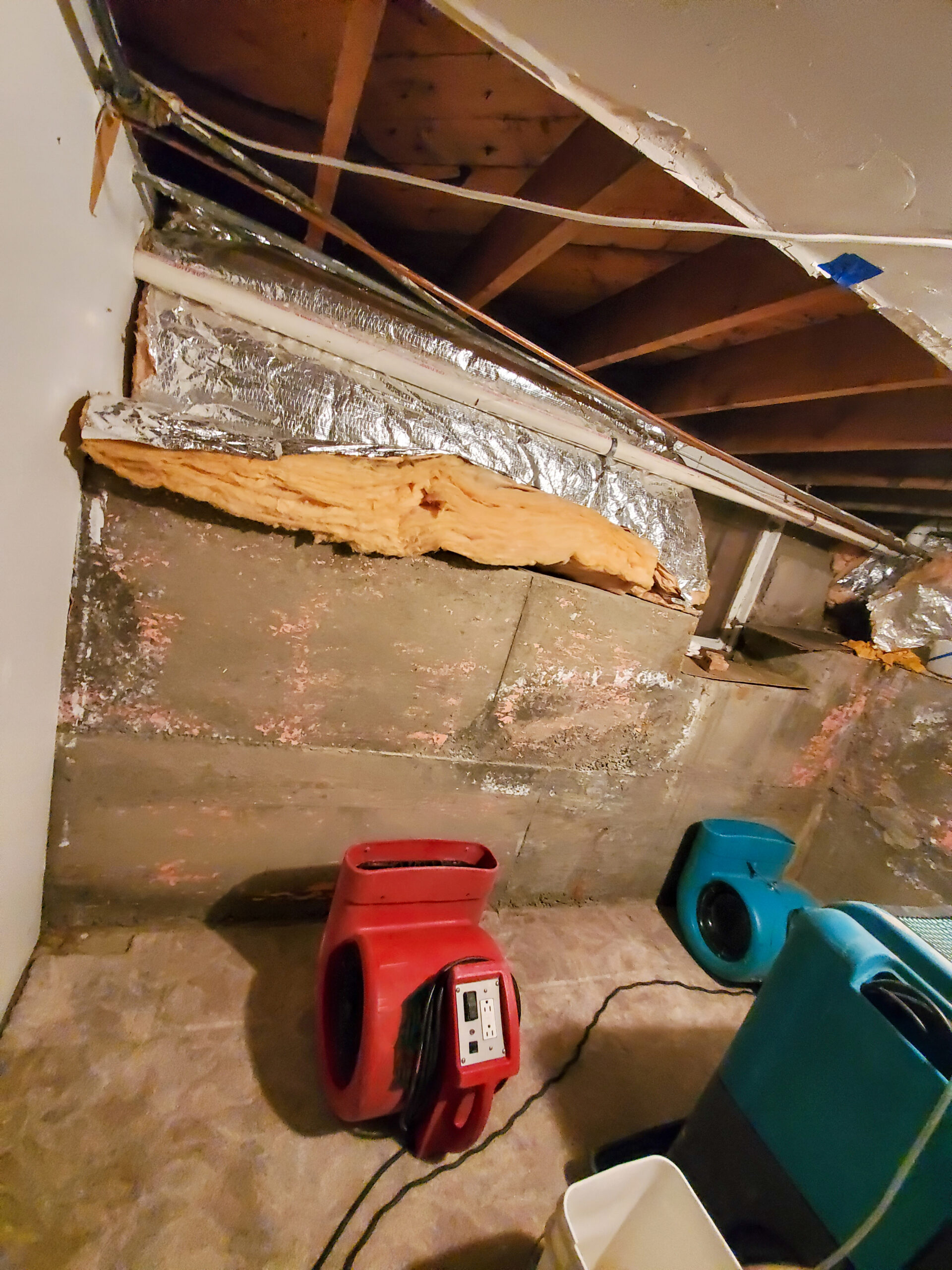
STRUCTURAL DRYING
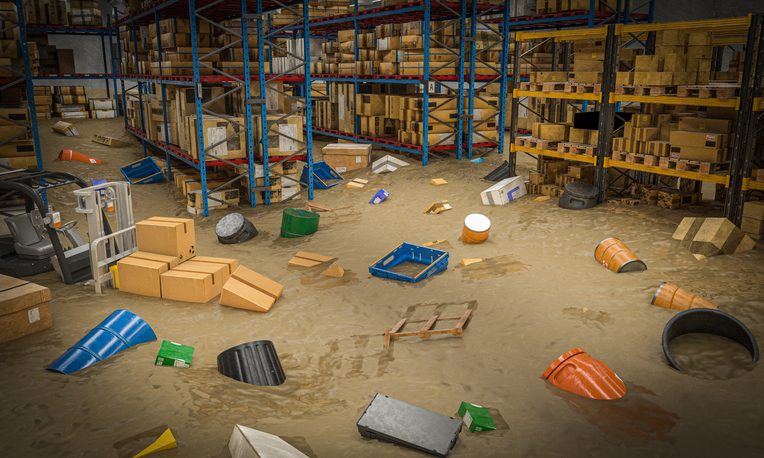
COMMERCIAL DRYOUT
Arlington Mold Removal Costs
From finished jobs in single-family homes, townhomes, and condos around UTA, South Arlington, and the entertainment district
Typical Arlington Job
$2,200
Typical range: $1,300 – $3,400
Price Per Square Foot
$10–$25
Depends on size, room, and growth type
Assessor Visit
$272–$422
Needed under state rules at 25 contiguous sq ft
Arlington Pricing by Area
Bathroom / Kitchen
$500–$1,333
Bathrooms in townhomes and condos often share plumbing walls with the next unit, so a small job can involve two owners.
Walls / Drywall
$1,000–$20,000
Shared walls between units hide growth from a neighbor's leak. Affected drywall gets cut out on both sides when needed.
Attic
$1,000–$10,000
Attic AC overflows in single-family homes and top-floor units soak ceilings and insulation.
Crawl Space
$1,000–$8,000
Older single-family homes in South Arlington see slab-edge moisture and crawl space dampness after heavy rain near Johnson Creek and Village Creek.
HVAC / Air Ducts
$1,900–$10,000
Shared or stacked HVAC systems in multi-unit buildings can move spores between units.
Whole House
$10,000–$30,000
Usually follows a leak in an upstairs unit that ran into several units below.
What Drives an Arlington Price
- Number of units: Each affected unit is its own work area and often its own claim
- Shared walls and ceilings: Water between units needs access holes and separate containment
- HOA rules: Access hours and approvals can stretch the schedule
- HVAC involvement: Growth in ducts or the air handler adds to the scope
- Assessor required: Outside protocol and testing apply from 25 sq ft up
- Black mold: Stachybotrys requires more protective gear and lab samples
Arlington Insurance Notes
- Single-family homes: Mold from a sudden leak is often covered under HO-3 and HO-B policies when reported promptly
- Condos and townhomes: Your HO-6 policy and the HOA master policy split coverage based on your HOA documents
- Creek flooding: Johnson Creek or Village Creek flood water needs a separate flood policy
- Separate companies: From 25 sq ft up, the assessor and remediator must be different licensed firms
How Arlington Mold Jobs Run
- Map every unit: Each affected unit or room gets its own moisture readings and photo log, including the neighbor side of shared walls.
- Protocol at 25 sq ft: Larger areas are written up by an outside licensed assessor. Smaller ones get a written scope.
- Separate containment: Every unit gets its own poly barrier and negative air setup.
- Remove and clean: Bathroom drywall, pad, and insulation with growth are bagged out. Framing is vacuumed and wiped.
- Dry and test: Once readings are normal, each area is tested before rebuild.
Mold coverage in Texas depends heavily on the policy. For condos and townhomes, your HO-6 policy and the HOA master policy split the bill based on the HOA documents. The claim file includes the source, dated photos, and the protocol for every unit involved.
When the Leak Started Next Door
In an Arlington townhome or condo, the water staining your wall might have started in the unit above you. Or the one beside you. Now you've got a neighbor, maybe an HOA and two insurance companies all asking the same thing. Whose problem is it?
"Texas makes the company that tests your mold different from the one that removes it. When there are three or four parties involved, that independent paper trail is what settles arguments."
— Khozema "KJ" Raja, Licensed Mold Assessment Consultant, TDLR MAC #2273Trace it before anyone tears anything out
We start by asking what happened and what you've done so far. Then moisture meters and a thermal camera show us how far the water traveled through shared walls and ceilings.
No obvious source? Call leak detection
Water coming through a crack, or a stain with no plumbing nearby. That's when we bring in a leak detection company so the right unit gets fixed.
Photos first, cleanup second
Shoot the stains, the wet carpet and the ceiling before you dry anything. Without that proof, a shared-wall claim gets hard to win.
A pass/fail check on the work
After remediation, a licensed assessor comes back and tests. If it fails, the remediation contractor goes back in and redoes it. Your HOA and insurer get a clearance certificate, not a promise.
Quick Response & Insurance Assistance
Arlington inspections can usually be set up the same week. The tech checks your unit and any shared walls, outlines the growth, and writes up the plan. If it reaches 25 contiguous square feet, a licensed assessor writes the protocol first under state rules, and the records go to your carrier and HOA.
Contact Us Today
Stain on a shared wall or a musty bathroom by UTA? Book a free Arlington inspection with written pricing.
Arlington Mold Prevention Guides
Arlington's location along the Trinity River and its subtropical summer humidity create the perfect conditions for mold growth. These guides help Arlington homeowners and businesses prevent mold before it starts, and catch early warning signs before they become expensive problems.
Preventing Mold in Arlington's Humid Climate
Arlington sits in a humidity hotspot between the Trinity River and Lake Arlington. Summer humidity regularly hits 70–80%, and that moisture loves to hide in attics, crawl spaces, and behind walls. Mold colonies can grow within 48 hours of any moisture event, often in places you can't see.
- Keep indoor humidity below 50–55% year-round (use a hygrometer)
- Run AC and dehumidifiers during spring and summer (May–September critical)
- Fix any roof leaks, pipe drips, or HVAC condensation immediately
- Inspect crawl spaces and attics after every heavy rain
- Install bathroom and kitchen exhaust fans that vent outside (not into attics)
- Ensure gutters and downspouts direct water at least 4–6 feet away from foundation
Arlington Flood Prevention & After-Flood Care
Arlington's proximity to the Trinity River and shallow groundwater means basements and crawl spaces are vulnerable during heavy rains and spring storms. Mold follows water. And Arlington's homes often don't dry properly without professional help, allowing mold to colonize within days.
- Have a sump pump installed if you're in a flood-prone area (especially near the River)
- Test your sump pump monthly and keep backup power sources available
- Grade your yard away from the foundation to prevent water pooling
- After any flooding, call professionals within 24 hours. Don't wait
- Extract standing water immediately; even small amounts lead to mold
- Use industrial dehumidifiers, not household fans (fans spread mold spores)
6 Early Warning Signs of Mold in Arlington Homes
Mold grows silently in Arlington homes, often in attics, crawl spaces, and inside walls where you can't see it. By the time you smell it or spot visible growth, the colony may be spreading rapidly. Catching these early signs saves thousands in remediation costs.
- Musty, earthy odors (strongest in basements, crawl spaces, or humid rooms)
- Visible discoloration on ceilings, walls, or in corners (black, green, or white spots)
- Water stains that don't go away even after the area dries
- Soft or spongy drywall, bubbling paint, or warped trim
- Unexplained allergy symptoms or respiratory issues that worsen indoors
- Condensation on windows, pipes, or in crawl spaces (excess moisture)
Mold Prevention in Arlington Basements & Crawl Spaces
Arlington's basements and crawl spaces are mold factories waiting to happen. The combination of high groundwater tables, humid summers, and older foundation designs creates an environment where mold thrives. Many Arlington homes developed mold problems after 2015 and 2016 spring floods, and some still have hidden growth.
- Install a perimeter drain or French drain if water seeps into basement
- Encapsulate crawl spaces with vapor barriers (professional installation recommended)
- Install basement and crawl space dehumidifiers and duct them outside
- Inspect crawl spaces twice yearly: especially before spring rains
- Never store cardboard boxes, paper, or fabric in basements (mold's food source)
- Ensure HVAC returns don't pull humid air from crawl spaces
Winterizing Against Pipes & Mold in Arlington
Arlington winters are unpredictable. Warm one day, freezing the next. This temperature cycling stresses pipes and can cause micro-cracks that leak slowly and invisibly, allowing mold to colonize inside walls. A small forgotten leak in January can become a major mold problem by spring.
- Insulate any exposed pipes, especially on north-facing exterior walls
- Know your main water shutoff location before winter arrives
- Seal air leaks around pipes where they enter the home
- On cold nights below 28°F, let faucets drip slowly to relieve pressure
- Drain and disconnect all outdoor hoses and shut off exterior spigots
- After any winter freeze, inspect crawl spaces and basements for new leaks
Arlington Appliance & HVAC Maintenance to Prevent Mold
Arlington homes often experience silent water leaks from HVAC systems, water heaters, and appliances, the #1 cause of hidden mold. These leaks happen inside walls and crawl spaces where they can grow unchecked for months before becoming noticeable.
- Have your HVAC system inspected and cleaned annually (check condensate drain)
- Replace HVAC filters every 3 months (clogged filters trap moisture)
- Water heater should be inspected annually for rust and leaks
- Check washing machine, dishwasher, and refrigerator water lines monthly
- Never ignore slow drips: they cause mold faster than you think
- Consider water leak detection systems in high-risk areas (near HVAC, water heater)