
Fast Mold Remediation in Coppell TX
Mold starts growing within 24 hours after water damage
We work with all insurance companies












Expert Mold Removal in Coppell, TX
- Family homes near Denton Creek: Coppell’s neighborhoods are mostly 1980s to 2000s family homes, many near Denton Creek and the north edge of DFW Airport. Aging plumbing and attic AC leaks are the most common sources.
- Containment that holds: Plastic barriers and negative air keep spores from spreading into rooms that were clean when we started.
- Removal, not cover-up: Moldy drywall, insulation, and carpet pad come out. Framing gets HEPA vacuumed and cleaned. No spray-and-paint jobs.
- Independent clearance on larger jobs: Over 25 contiguous square feet, a separate licensed mold assessor writes the protocol and tests the area afterward. That’s Texas law, and it protects you.
Coppell homes are well kept, which is why mold here usually comes from something hidden: a slow leak behind a shower wall, an attic AC pan that overflowed, or moisture along the slab after heavy rain near Denton Creek. We find it, remove it under containment, and document the job start to finish.


Our Mold Removal Services In Coppell

MOLD INSPECTION AND TESTING

EFFECTIVE MOLD REMOVAL
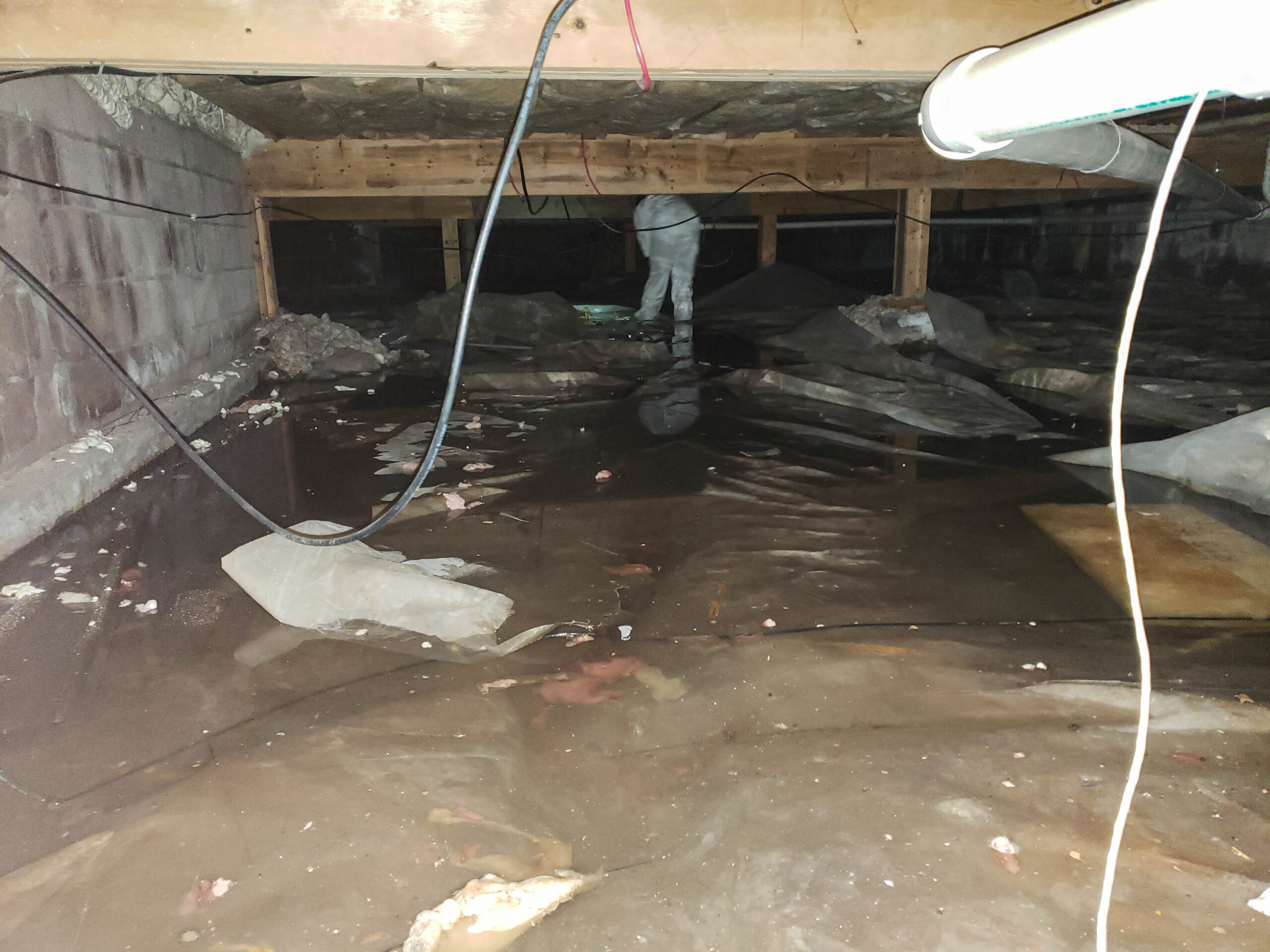
BLACK MOLD
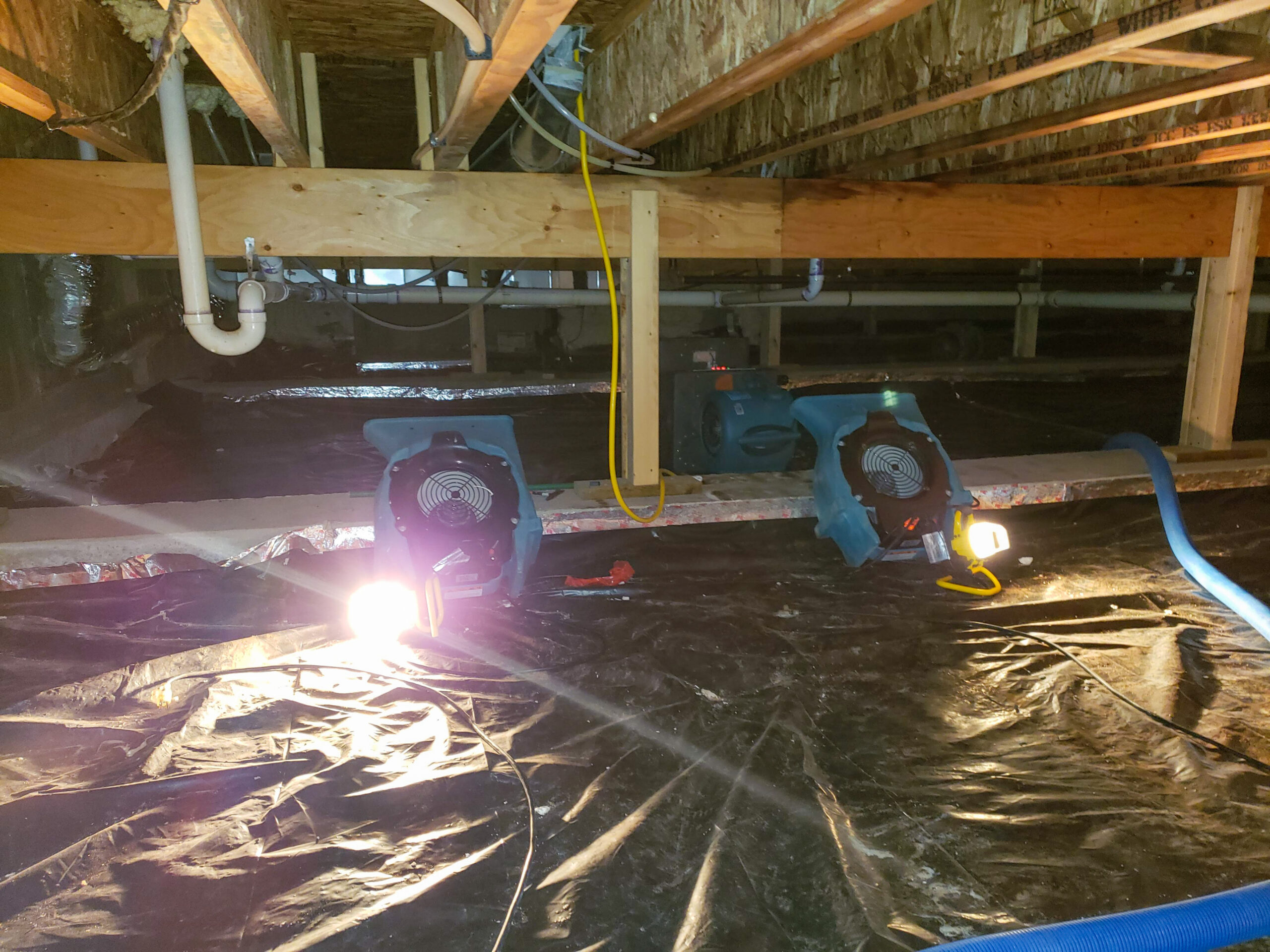
CRAWL SPACE REMEDIATION
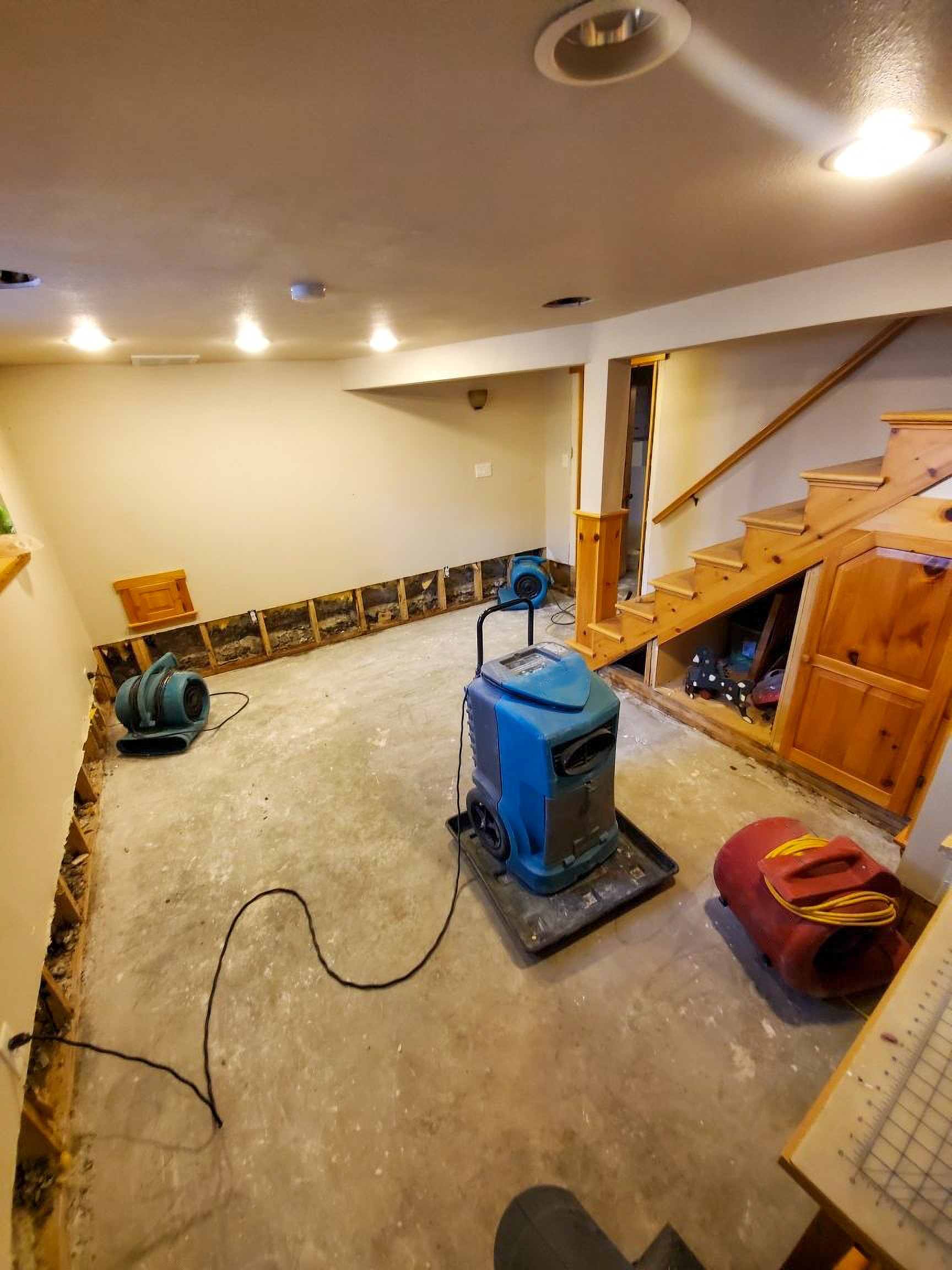
AIR QUALITY TESTING

WATER DAMAGE RESTORATION
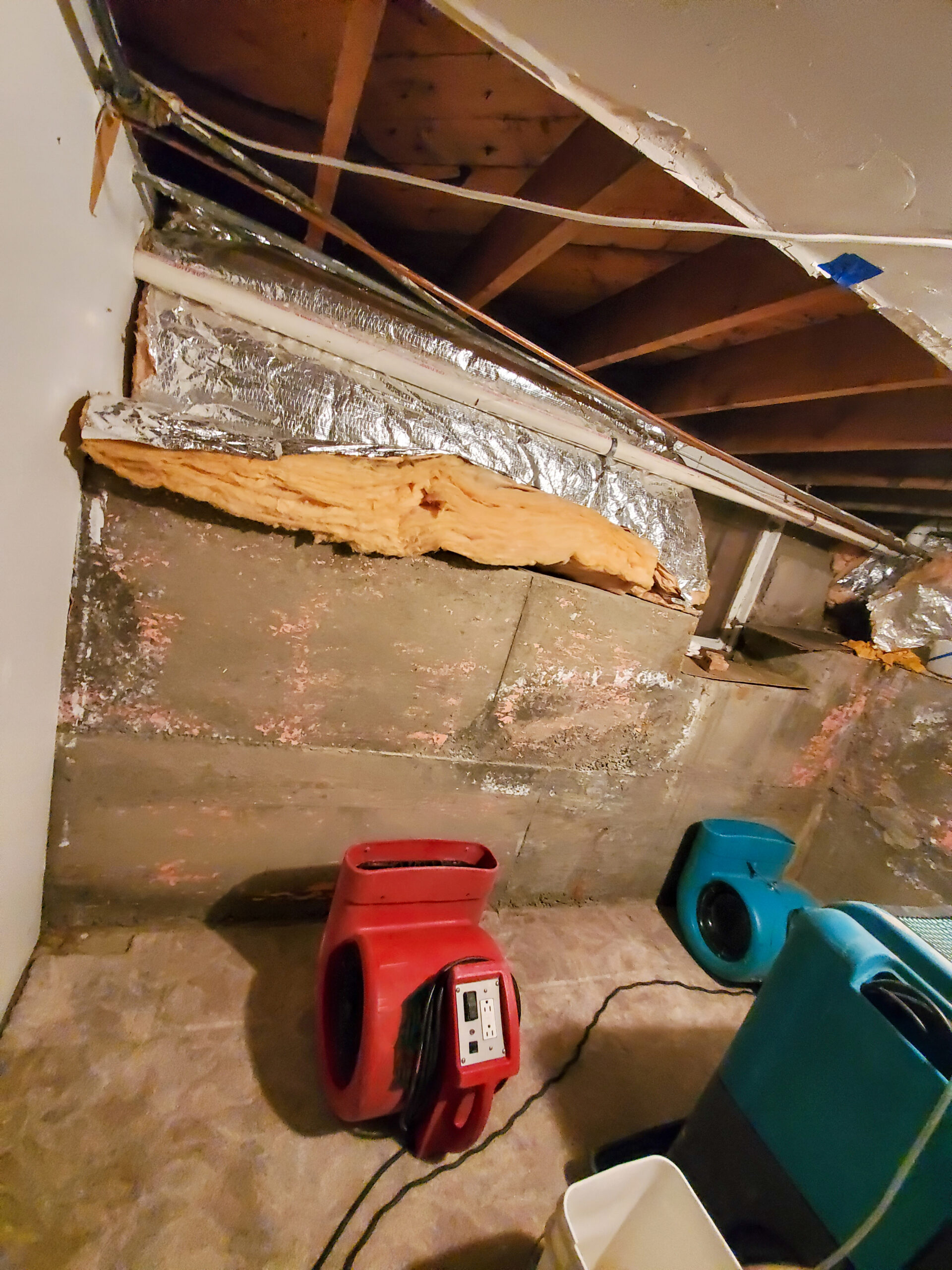
STRUCTURAL DRYING
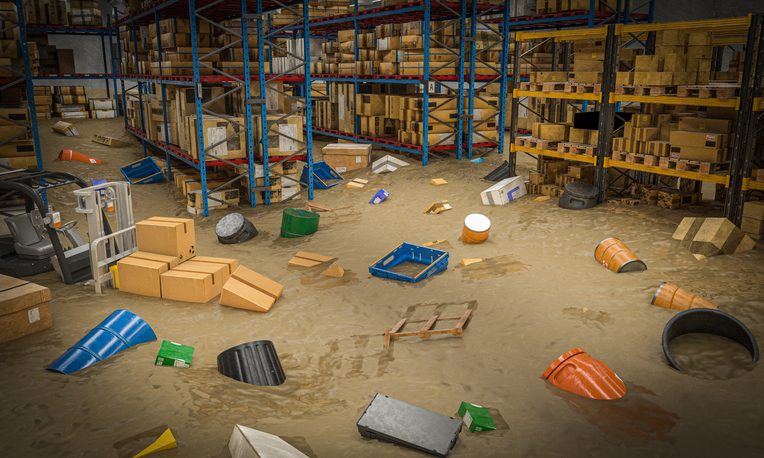
COMMERCIAL DRYOUT
Where Mold Hides in Coppell Homes
Coppell homes are well kept, so mold here usually comes from something hidden.
Shower Pans in 1990s Homes
Many Coppell homes are now old enough that original shower pans and tile seals have started to fail. Water gets behind the wall and stays there.
Attic AC Overflow
Condensate lines in the attic clog with algae over summer. When the pan overflows, insulation and the ceiling below soak it up.
Low Lots Near Denton Creek
Heavy rain near Denton Creek pushes water toward slab edges and garages. Baseboards and carpet tack strip along exterior walls are where it starts.
Coppell Areas We Serve
Coppell is fully built out, so most of our calls are in established homes with decades of wear on the original systems.
Old Town Coppell
The original town site and historic district, with tree-lined streets and a mix of older and newer construction.
Riverchase Estates
An established north Coppell neighborhood built in the late 1980s and early 1990s, with larger lots and mature trees.
Village at Cottonwood Creek
Traditional single-family homes from the late 1980s and early 1990s near Denton Tap Road and Sandy Lake Road.
Lakewood Estates
Traditional brick homes built mainly in the 1990s and early 2000s, many with updated interiors over original systems.
Villages & Vistas of Coppell
Established central Coppell communities near Town Center, with homes now several decades old.
Northwest Coppell
Newer development from the mid-2010s near North Denton Tap and West Sandy Lake, where mold usually comes from condensate and roof issues.
Our Proven Mold Removal Process in Coppell
- Inspection and moisture mapping: Visual inspection, moisture meter, and thermal imaging to find the source and how far the growth goes.
- Protocol: For jobs over 25 square feet, an independent licensed assessor writes the scope before work starts.
- Containment and negative air: The work area gets sealed off and kept under negative pressure with HEPA air scrubbers.
- Removal and cleaning: Affected materials come out, and surfaces are HEPA vacuumed and cleaned.
- Drying and clearance: The area gets dried, then the assessor runs clearance before rebuild starts.
Mold coverage varies a lot between Texas policies. Some cover it when it comes from a sudden leak, and some cap or exclude it. We document the water source, photos, and the protocol so your adjuster has a clear picture of what caused it.
Why Choose Us
Free Inspection
Free mold inspection to find the moisture source, map how far the growth goes, and tell you whether the job crosses the 25 square foot line where Texas requires an independent assessor.
Industry Certified
Remediation follows IICRC S520 practices: containment, negative air, HEPA cleanup, and removal of materials that can't be cleaned. Larger jobs get clearance from an independent licensed assessor.
Direct Insurance Billing
We bill your carrier directly and handle the documentation, the adjuster calls, and the supplements. You focus on your family. We'll deal with the paperwork.
Licensed & Insured
Texas Water Doctor is fully licensed and insured. KJ Raja, the owner, is involved on every job, so you're never handed off to a call center or a subcontractor you've never met.
Coppell Mold Removal — FAQ
How much does mold removal cost in Coppell?
Most Coppell jobs run $500–$3,800 depending on the area affected, with larger homes and whole-house jobs costing more. We give you an exact number after a free inspection.
Does insurance cover mold removal in Coppell?
Usually, if the mold came from a sudden covered event like a burst pipe or roof leak. Mold from a slow, long-running leak is a more common claim fight — we help document the cause either way.
My Coppell home has been renovated — can there still be hidden mold?
Yes. Many Coppell homes were built in the 1980s and 1990s and have updated interiors over the original plumbing, water heaters, and AC systems. A slow leak behind a renovated wall can feed mold for months before anything shows.
Quick Response & Insurance Assistance
Call us and we’ll get an inspection on the calendar fast. We find what’s feeding the mold, measure how far it’s spread, and lay out a remediation plan in writing. Jobs over 25 contiguous square feet get a protocol from an independent licensed mold assessor, as Texas law requires. Your carrier gets the full paper trail.
Contact Us Today
Smell something musty or see spots spreading? Call for a free mold inspection and a written estimate.