
Mold Removal Services in Dallas, TX
Crawl spaces and slow leaks can start mold in 24 to 48 hours
Mold and Health in Dallas Homes
What exposure looks like, who it hits hardest, and how remediation stops it
What People Notice First
- Allergy symptoms: stuffy nose, sneezing, and watery eyes that ease up away from home
- Coughing and wheezing: often worse at night or in one particular room
- Asthma flare-ups: more inhaler use for people who already have asthma
- Mycotoxins: some species produce them, so growth should only be disturbed under containment
- Headaches and fatigue: reported by some people with long exposure. See a doctor if symptoms persist
- Highest risk: infants, older adults, and anyone with lung disease or a weakened immune system
How Remediation Fixes the Air
- Finds hidden growth in walls, attics, and crawl spaces, not just the spot you can see
- Runs HEPA air scrubbers the whole time material is being removed
- On jobs of 25 sq ft or more, an independent assessor tests the area afterward
- Repairs the leak or moisture problem so growth does not return
- Leaves you with a state certificate when the project required a protocol
30 to 50%
EPA's ideal indoor humidity
25 Sq Ft
When Texas requires an assessor
24 to 48 Hrs
How soon mold can start on wet materials
Dallas Claims Documented the Right Way












Expert Mold Removal in Dallas
- Older homes and crawl spaces: Lakewood, East Dallas, and Oak Cliff have a lot of pier-and-beam homes where mold starts in the crawl space. Newer homes more often hide it behind a wall after a slow leak.
- Containment fitted to the house: Pier-and-beam bungalows in Lakewood and slab homes in North Dallas get containment planned around their layout, with negative air pulling away from occupied rooms.
- No cosmetic fixes: Joists, subfloor, drywall, and insulation with growth are removed or cleaned to bare wood. Nothing gets painted over.
- Independent clearance: For areas of 25 contiguous square feet or more, a separately licensed assessor writes the protocol and runs the final test, as Texas law requires.
Dallas has every kind of house, and mold shows up differently in each. Crawl spaces and plaster walls in older neighborhoods. Attic AC lines and slow plumbing leaks in newer ones. We fix the water problem first, then remove the growth under containment and document every step.


Dallas Mold and Water Services

MOLD INSPECTION AND TESTING

EFFECTIVE MOLD REMOVAL
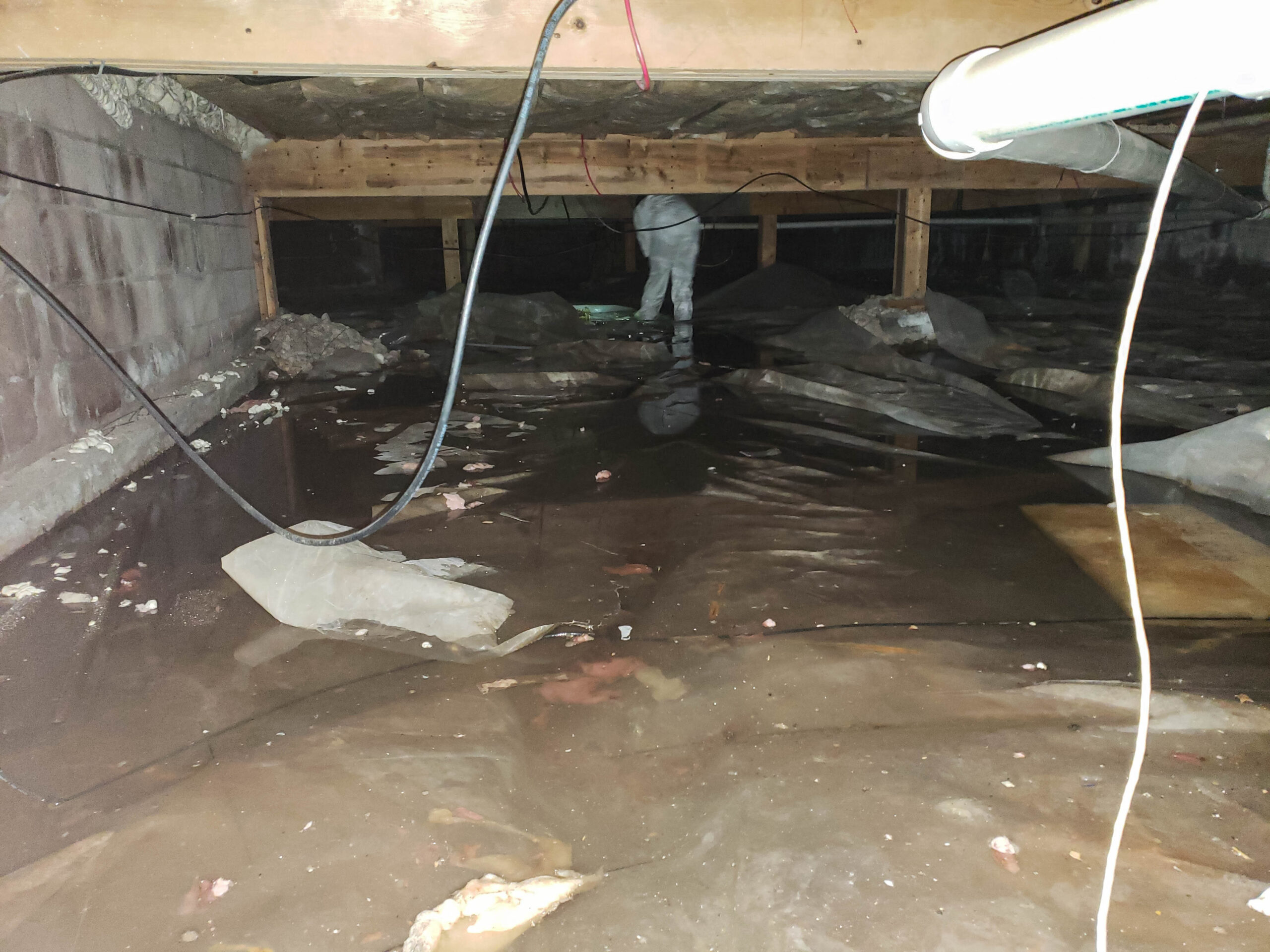
BLACK MOLD
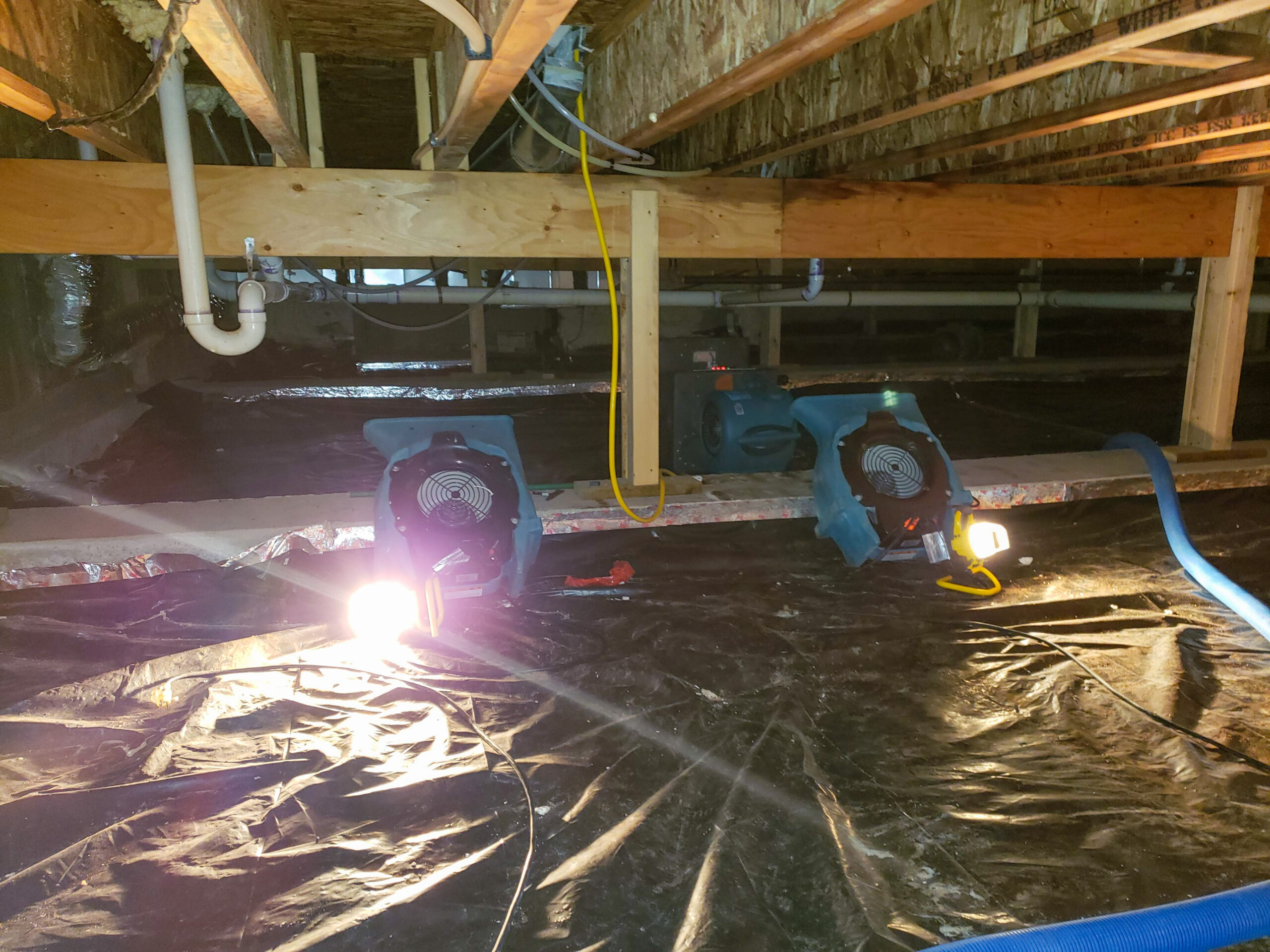
CRAWL SPACE REMEDIATION
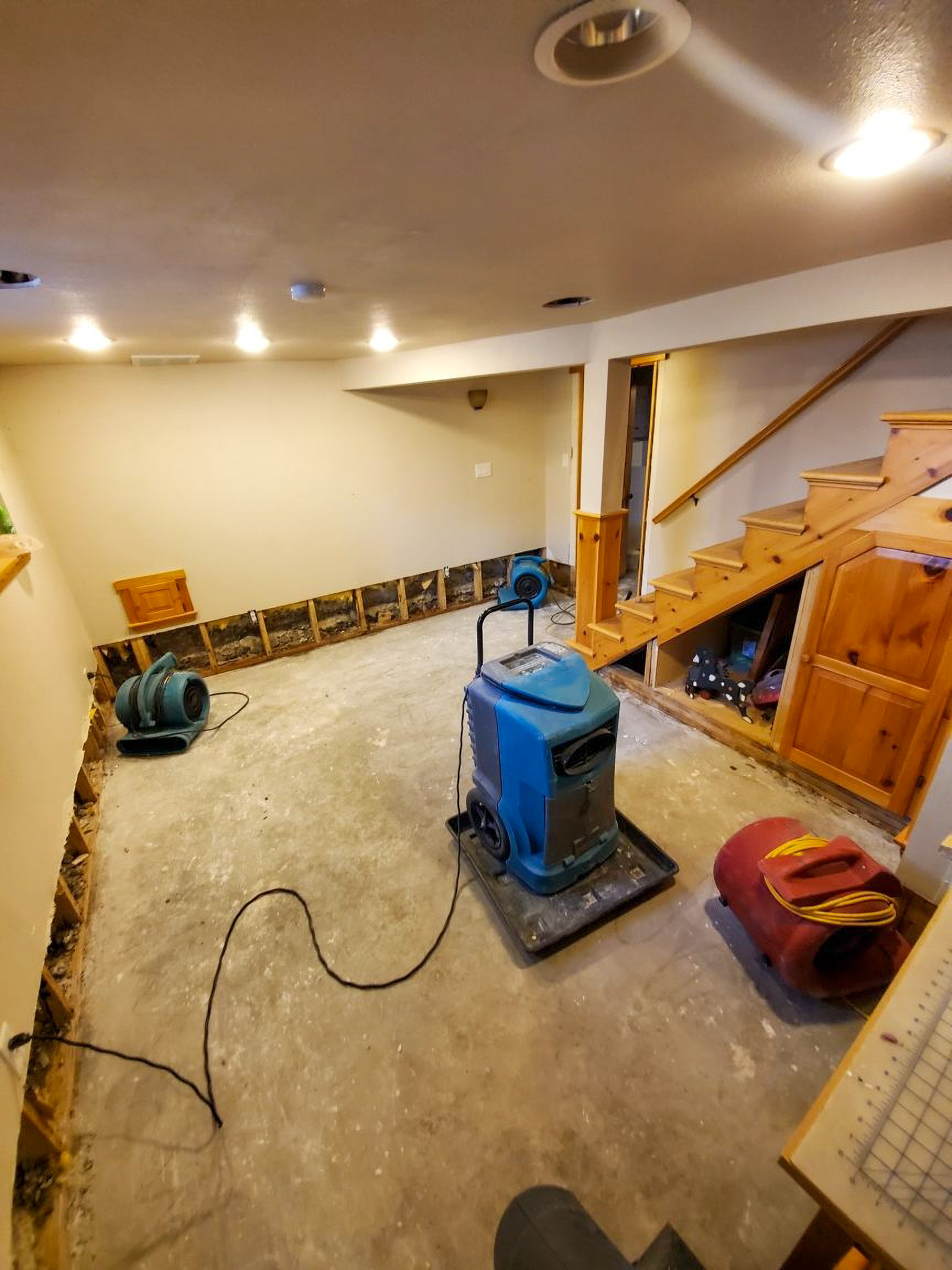
AIR QUALITY TESTING

WATER DAMAGE RESTORATION
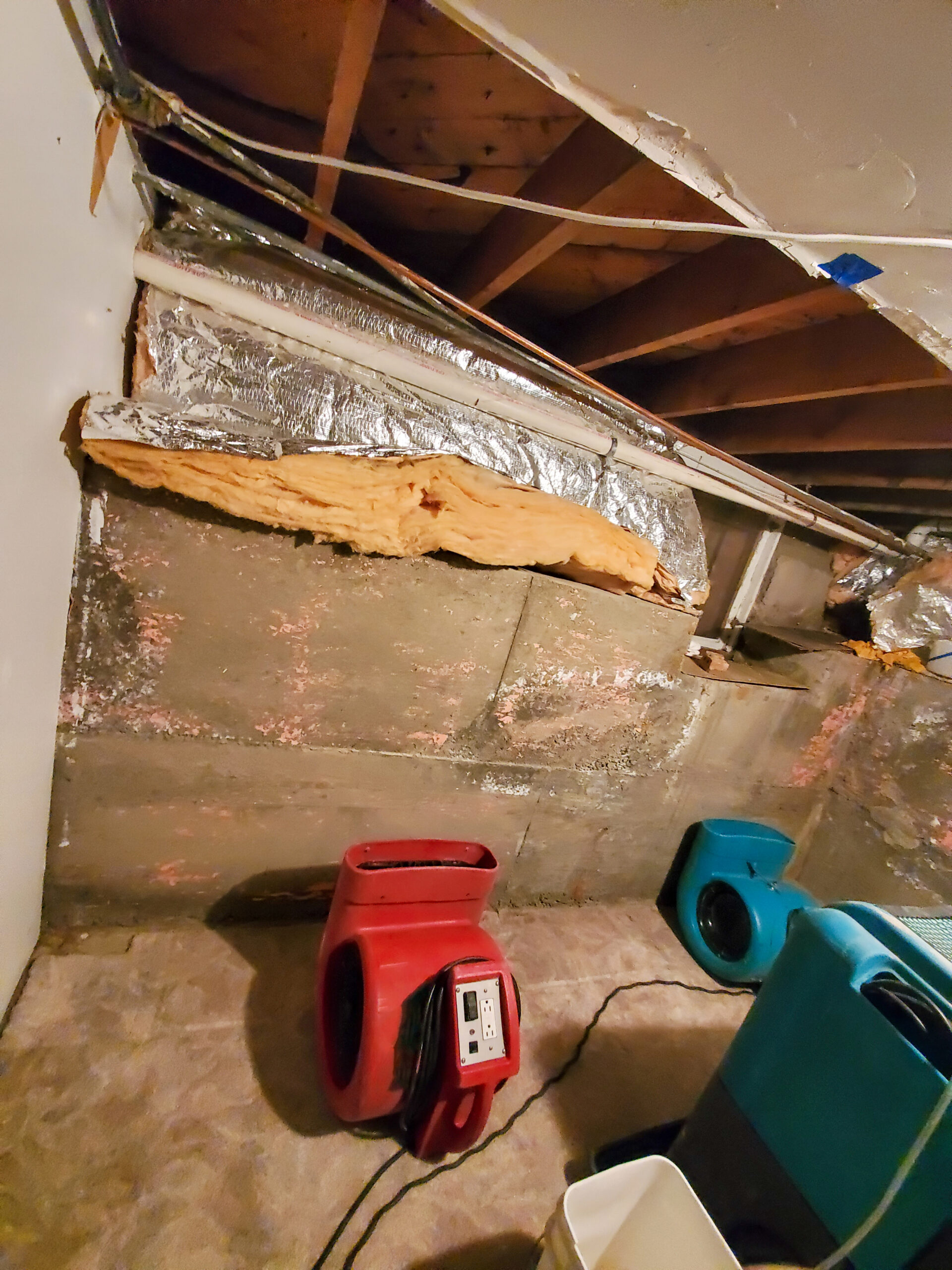
STRUCTURAL DRYING
COMMERCIAL DRYOUT
How Dallas Mold Remediation Works: By the Book
Texas has stricter mold remediation laws than most states. Here's exactly what a compliant, fully licensed job looks like in Dallas, from first call to your Certificate of Mold Damage Remediation.
Free Call & Same-Day Assessment Scheduled
You call, we listen. We gather the basics, where the mold is, how long it's been there, any known water source, and schedule a free on-site assessment. Dallas homes have specific risk factors: older construction in Oak Cliff and East Dallas, expansive clay soil that stresses foundations and plumbing, and humid spring seasons that feed growth fast. We factor all of it in.
Free: No Commitment1
2
Independent TDLR-Licensed Assessment
Texas law requires the inspector and the remediator to be two separate licensed companies on any job over 25 contiguous square feet. We coordinate a TDLR-licensed mold assessment consultant who maps the full scope, including hidden growth behind drywall and inside HVAC systems, and writes the official remediation work plan. You receive that plan before any work begins.
Texas Law CompliantContainment: Spores Stay Put
Before any material is touched, we seal off the affected zone using physical barriers and negative air pressure. This is critical in Dallas homes with central HVAC. One disturbed mold colony can push spores into every room within hours. Containment prevents that. The rest of your home stays clean while we work.
IICRC S520 Protocol3
4
Removal, Treatment & Moisture Fix
We remove contaminated materials per the assessor's work plan, treat all affected surfaces with professional-grade antimicrobial agents, and HEPA-vacuum the air. Then, the step most crews skip, we identify and correct the moisture source. Clay soil shifting under Dallas slabs, aging pipe fittings, roof leak intrusion: whatever's feeding the mold gets addressed. Without this, it comes back.
Root Cause CorrectedClearance Test & Your Certificate
After remediation, the independent assessor returns for post-remediation clearance testing. Once the area passes, the remediation company issues your Certificate of Mold Damage Remediation, which Texas requires within 10 days of completion. Sellers must disclose these certificates from the past 5 years, and the certificate supports your insurance claim. You leave with proof, not just a promise.
State-Issued Certificate5
What Mold Remediation Costs in Dallas
Real pricing data based on 700+ completed projects in the Dallas area
Dallas Average Project
$2,336
Typical range: $1,366 – $3,480
Price Per Square Foot
$10–$25
Set by square footage, location, and type of growth
Project Timeline
1–5 Days
Most jobs completed within the week
Dallas Pricing by Area
Bathroom / Kitchen
$500–$1,333
Grout lines, caulk, and the cabinet floor under the sink. This is the most common first call in Dallas.
Walls / Drywall
$1,000–$20,000
Growth on the back side of drywall means the panel comes out, and replacement is part of the price.
Attic
$1,000–$10,000
Dallas average is ~$4,600. Rafters, decking, and trusses multiply the treatment area fast.
Crawl Space
$1,000–$8,000
Confined access slows labor. Vapor barrier repairs typically add to the total cost.
HVAC / Air Ducts
$1,900–$10,000
Most urgent scenario. A contaminated HVAC distributes spores to every room in the home.
Whole House
$10,000–$30,000
Typically follows flooding or a long-term undetected leak. Multiple containment zones and extensive material removal.
Dallas Price Factors
- Size of the affected area: most jobs are priced per square foot
- Mold type: Stachybotrys runs 15 to 25% higher for heavier gear and lab work
- Location in the home: attics and crawl spaces cost more to reach
- Material damage: porous materials like drywall usually need replacing
- Emergency timing: nights and weekends cost more
- Clearance testing: air sampling typically adds $150 to $300
Dallas Insurance Basics
- Usually covered: sudden events such as a split pipe or a failed appliance
- Usually not covered: long-term neglect, slow leaks, or flooding without a flood policy
- On jobs of 25 sq ft or more, the assessor and the remediator have to be separate licensed companies. Texas Water Doctor works with independent TDLR-licensed assessors.
- We handle your claim, our team works directly with all major insurance carriers
- Not covered? We offer flexible payment options to fit your situation
The Dallas Mold Removal Process
- Crawl space, attic, and walls: Readings start where Dallas mold usually hides: crawl spaces in older neighborhoods, attics, and walls next to bathrooms.
- Protocol for large areas: 25 square feet or more is written up by an outside licensed assessor before work starts.
- Sealed under negative pressure: Poly walls and HEPA air scrubbers keep the rest of the house clean.
- Removal to clean material: Moldy materials are bagged out, and framing or joists are HEPA vacuumed and wiped.
- Dry, clear, certify: After drying and passing clearance, protocol jobs get a Certificate of Mold Damage Remediation.
Every Texas policy treats mold a little differently. Sudden plumbing or appliance failures are often paid, and many policies cap the mold portion. The adjuster gets the source, dated photos, and the protocol.
Inspect First, Then Remediate: How It Works in Dallas
Texas splits mold work between two licenses. Here’s what that means for a Dallas job.
Texas Occupations Code Chapter 1958 requires separate, independent companies for the assessment and the remediation once a mold job reaches 25 contiguous square feet. Read the full explanation of the Texas mold law.
In practice, a Dallas homeowner with a musty closet or a stained ceiling calls the assessor first. We inspect, test when it’s warranted, and write the protocol. A separately licensed contractor then handles the removal.
Under 25 square feet, you can often handle cleanup yourself. We’ll tell you which side of the line you’re on before you spend anything.
Clearance comes last. After remediation, an independent check confirms the area passed before the walls get closed back up.
Step 1: Assessment
Moisture mapping, sampling when needed, and a written protocol that tells the remediator exactly what has to come out.
Step 2: Remediation
A separately licensed contractor sets up containment and removes the damaged material according to that protocol.
Step 3: Clearance
An independent clearance check confirms the job is finished, so the proof doesn’t come from the company paid for the removal.
Where Mold Hides in Dallas Homes
The spots we check first on Dallas inspections, and why they stay wet
Attic AC Drip Pans
Dallas AC runs most of the year. A clogged condensate line or rusted drip pan can soak attic insulation and the ceiling below for weeks. The EPA recommends keeping drip pans clean and drain lines flowing.
Under Floors Over a Slab Leak
A slow leak in slab plumbing wets flooring from below. Carpet pad, laminate, and the bottom edge of baseboards usually show it first.
Crawl Spaces in Older Homes
Plenty of older Dallas neighborhoods sit on pier-and-beam foundations. Poor ventilation and torn vapor barriers keep the subfloor damp.
Behind Washers and Water Heaters
Supply hoses and drain pans fail slowly. The wall cavity behind them stays wet long after the floor looks dry.
Exterior Walls After Storms
Wind-driven rain gets past aging flashing and window seals, then sits inside insulated walls where nobody can see it.
24 to 48 Hrs
How fast the EPA says wet materials should be dried to prevent mold
30–50%
Indoor humidity range the EPA recommends to keep mold in check
25 Sq Ft
Where Texas law requires an independent licensed assessor
What to Do First
Stop the water source, dry what you can, and get the area checked before opening walls. See how mold remediation works, or book a free Dallas inspection. Sources: EPA; Texas Occupations Code Ch. 1958.
Why Dallas Homeowners Hire Texas Water Doctor
No-Cost Dallas Mold Inspection
From M Streets bungalows to North Dallas slab homes, we check attics, crawl spaces, and wall cavities for free and tell you if the job needs a separate remediator.
Built on IICRC S520
Containment, HEPA filtration, and removal of anything past saving, all to the S520 standard. Bigger jobs close out with independent clearance.
Insurance Paperwork Handled
Photos, moisture logs, and estimates go to your insurer directly, and we take the adjuster calls.
KJ on Every Dallas Job
Owner KJ Raja, MAC #2273, oversees Dallas jobs personally. Licensed and insured, with no call center in between.

KJ Raja
Owner & Licensed Mold Assessment Consultant: MAC #2273
Since 2022, hundreds of Dallas homes and businesses restored. Every job personally overseen, not handed off to a rotating crew.
Independent Assessment Required by Law
Texas law requires an independent mold assessment before remediation on any job 25 sq ft or larger, the same company legally can't do both. We hold a licensed Mold Assessment Consultant credential and structure every qualifying job to meet this requirement, so your remediation is never marked "necessary" by the same people getting paid to do it.
Quick Response & Insurance Assistance
Dallas calls get a fast inspection slot. The tech checks the crawl space, attic, or wall in question, outlines the growth, and puts the plan in writing. Areas of 25 contiguous square feet or more need an independent assessor protocol under Texas law, and your insurer receives the full file.
Contact Us Today
Musty crawl space in an older home, or a stain on a bathroom wall? Book a free Dallas inspection and written pricing.
Frequently Asked Questions
Honest answers to the questions Dallas homeowners ask us most
The Dallas average is $2,336, with most projects falling between $1,366 and $3,480 based on data from 700+ completed local jobs. Pricing is typically calculated at $10–$25 per square foot, though hard-to-reach areas like attics (~$4,600 average) and HVAC systems ($1,900–$10,000) cost more due to access and specialized equipment. Black mold (Stachybotrys) adds 15–25% to the base cost because of extra PPE requirements and lab testing. The only way to get an accurate number is an on-site assessment. We provide free inspections with no obligation.
It depends on the cause. standard HO-3 and HO-B policies generally cover mold when it results from a sudden, accidental covered event. Like a burst pipe, appliance failure, or storm-related water intrusion that was reported and addressed quickly. Mold from gradual leaks, poor maintenance, or long-term humidity is typically excluded. Coverage limits on mold remediation in Texas policies often range from $10,000–$50,000 even when covered, which may not cover a severe infestation. We work directly with all major carriers, handle the documentation, and help you maximize your claim. If you're not covered, we offer flexible payment options.
Yes. Texas law requires all mold remediators to be licensed by the Texas Department of Licensing and Regulation (TDLR), and we are. Under Texas law, the company that performs your mold assessment and the company that performs your remediation must be two separate entities to prevent conflicts of interest. This means we work alongside an independent, TDLR-licensed mold assessment consultant who inspects the property and issues your clearance report. You can verify any contractor's license status at tdlr.texas.gov/LicenseSearch. Never hire an unlicensed mold contractor in Texas. Violations carry fines up to $5,000 per incident.
Most residential mold remediation projects in Dallas take 1 to 5 days, and the average job finishes in about 3 days. The timeline depends on the size of the area, the mold type, the location (attics and crawl spaces take longer), and whether drywall has to be removed and replaced. Whole-house jobs after flooding can run several weeks. On protocol jobs, an independent assessor runs the clearance inspection when the work is done, and once it passes, the remediation company issues a Certificate of Mold Damage Remediation within 10 days. That is your proof the job was done correctly.
In many cases, yes, especially when mold is contained to one area of the home. However, for larger infestations, black mold (Stachybotrys), or jobs involving HVAC systems where spores can circulate throughout the house, we strongly recommend vacating temporarily, particularly if children, elderly individuals, or anyone with asthma or a compromised immune system lives in the home. We use physical containment barriers and negative air pressure systems to isolate the work area and prevent cross-contamination, but your safety always comes first. We'll give you a clear recommendation during your free assessment.
For jobs of 25 contiguous square feet or more, yes. Texas law requires a licensed independent mold assessment consultant to inspect the property, collect samples if needed, and write a remediation work plan that you receive before any work starts. It protects you by making sure only what needs to go comes out, based on an unbiased opinion. Mold inspection in Dallas typically costs $300 to $700. Smaller jobs do not legally require an assessor, though a professional opinion is still worth having.
Mold always has a moisture source. If the moisture problem isn't fixed, the mold will return. Regardless of who does the remediation. Our process includes identifying and addressing the root cause of moisture intrusion, not just removing visible growth. After remediation, an independent TDLR-licensed assessor conducts a clearance inspection and air quality test to verify mold levels have returned to normal background levels. You receive a Certificate of Mold Damage Remediation as documented proof. We also provide prevention recommendations specific to your home. Dallas's expansive clay soil and humid spring season create recurring conditions that homeowners need to stay ahead of.
Mold removal refers specifically to the physical act of eliminating mold and contaminated materials. Mold remediation is a broader, more complete process. It includes removal, but also containment to prevent spore spread, HEPA air scrubbing to clean the air, antimicrobial treatment of affected surfaces, identification and repair of the moisture source, and post-remediation testing to confirm success. In Texas, only the remediation process results in a legally recognized Certificate of Mold Damage Remediation, which is required if you are selling your home (sellers must disclose remediation certificates from the past five years) or making an insurance claim. Always insist on full remediation, not just removal.